China Agritech, Inc. v. Resh
The Court held that upon denial of class certification, a putative class member may not, in lieu of promptly joining an existing suit or promptly filing an individual action, commence a class action anew beyond the time allowed by the applicable statute of limitations.
138 S. Ct. 1800 · No. 17-432 · 2017 term · Roberts Court
Decided Jun 11, 2018 · argued Mar 26, 2018
Judicial power · Judicial administration: untimely filing
Majority opinion: Ruth Ginsburg
The voteMajority
9–09 in the majority, 0 in dissent
No dissent (9–0)
Reversed and remanded. China Agritech, Inc. won.
What this ruling means
Reversed and remanded: the Supreme Court overturned the decision of the U.S. Court of Appeals, Ninth Circuit and sent the case back to that court for further proceedings that follow the Supreme Court’s ruling.
China Agritech, Inc. was the petitioner, the side that asked the Supreme Court to review the case. “Won” means the Court gave that side the result it asked for.
From the Supreme Court Database. A justice who agreed with the result but not the reasoning counts in the majority.
Summary
The opening of the case’s Wikipedia article: what the case was about and what the Court held.
China Agritech, Inc. v. Resh, 584 U.S. ___ (2018), was a case decided by the Supreme Court of the United States, holding that upon denial of class certification, a putative class member may not, in lieu of promptly joining an existing suit or promptly filing an individual action, commence a class action anew beyond the time allowed by the applicable statute of limitations.
Data notes
The text is Wikipedia’s (CC BY-SA 4.0), matched to the case by its citation, docket number or name and year, and is not checked against the opinion. The site keeps the article’s opening section, ending on its last full sentence. The one-sentence summary under the title is the Decisions list’s: Wikipedia’s own ruling sentence, or, tagged “AI-written”, one Claude wrote from this opening.
How the justices voted
Each justice who took part, placed by their Martin–Quinn ideology score for the 2017 term. Filled: the 9 in the majority. Hollow: the 0 in dissent. Colour is the party of the president who appointed them.
Majority(9)
 Ruth GinsburgWrote the majority opinion
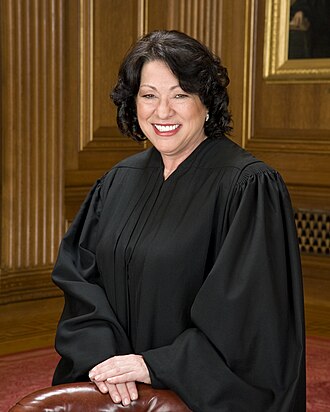 Sonia SotomayorWrote a concurrence
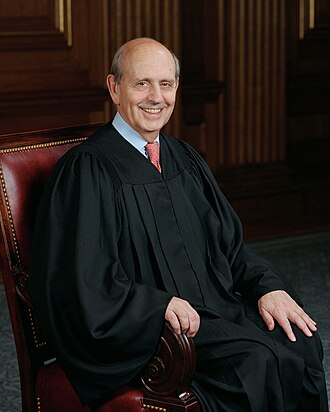 Stephen BreyerJoined the majority
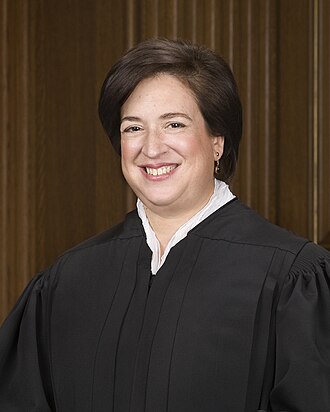 Elena KaganJoined the majority
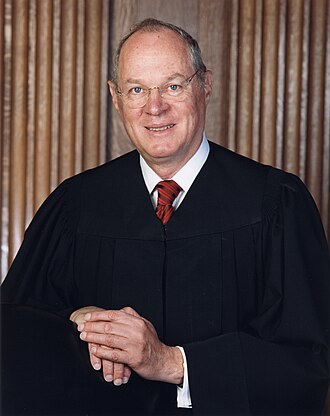 Anthony KennedyJoined the majority
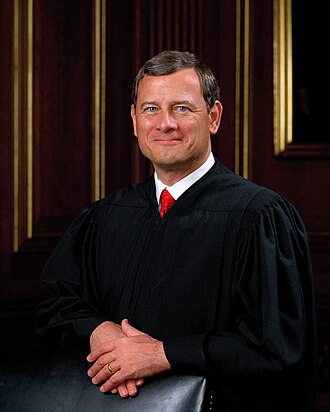 John RobertsJoined the majority
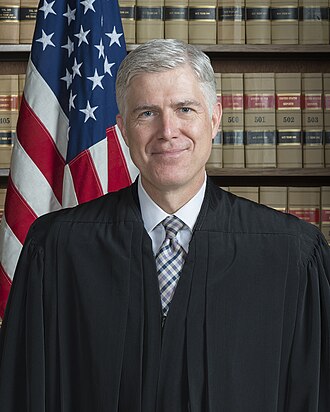 Neil GorsuchJoined the majority
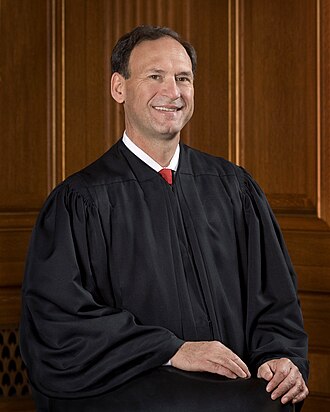 Samuel AlitoJoined the majority
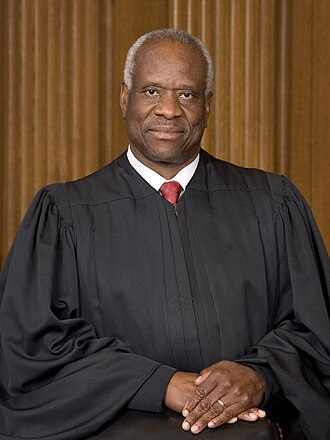 Clarence ThomasJoined the majority
Dissent(0)
- None.
Data notes
Each justice’s vote and what they wrote are from the justice-centered file of the Supreme Court Database. “Wrote a concurrence” means the justice sided with the majority and wrote separately; a justice who dissented in part is counted on the side they took overall. A justice who wrote nothing is listed as joining their side.
Positions are each justice’s Martin–Quinn score for the case’s term, the same scores as the Ideology page: negative is more liberal, positive more conservative. A score sums up a justice’s votes across the whole term, so it says where they usually sit, not why they voted as they did here. The median line is the Court’s median justice that term.
The parties
Who brought the case to the Court, who answered it, and how it got there.
- Petitioner
- China Agritech, Inc.Business, corporation
- Respondent
- ReshStockholder, shareholder, or bondholder
- Reached the Court by
- Certiorari (the Court chose to hear it)
- Why it was taken
- Federal appeals courts had ruled differently on the question
Data notes
The names are the two sides of the case’s title. The description under each is the Supreme Court Database’s category for that party, in its own wording. The petitioner is the side that asked the Supreme Court to review the decision below. “Why it was taken” appears only when the majority opinion says lower courts disagreed or were unsure about the question; reasons that would fit any case (“to resolve the question presented”, “an important question”) are left out.
The law at issue
The law the Court was asked to apply, and the kind of power it used to decide.
- Decided by
- Federal common law; Supreme Court supervision of lower federal or state courts or original jurisdiction
Data notes
The Supreme Court Database codes the main constitutional provision, statute or court rule each case turned on, and the basis of the decision: judicial review of a federal or state law, interpreting a statute, supervising the lower courts, and so on. A case can rest on more than one. “Overruled” counts only where the majority opinion says so.
Timeline
What happened at the Court and how the case got there, newest first.
- Jun 11, 2018DecidedDecided · Decided 9–0: reversed and remanded. China Agritech, Inc. won.
- Mar 26, 2018ArguedArgued · Oral argument before the Court.
- Not datedTaken upTaken up · The Supreme Court agreed to hear the case (certiorari). Federal appeals courts had ruled differently on the question.
- Not datedCourt belowCourt below · Decided by the U.S. Court of Appeals, Ninth Circuit: reversed.
- Not datedBeganBegan · The case began in the California Central U.S. District Court.
Data notes
From the Supreme Court Database: the court the case began in, the court whose decision the Supreme Court reviewed and what that court did, how the case came to the Court, and the dates of argument and decision. The database does not date the steps in the lower courts. Court names are the database’s.
Other decisions on the same issue
32 other argued cases since 1946 on judicial administration: untimely filing, newest first.
- Harrow v. Department of Defense601 U.S. 480May 16, 2024 · 601 U.S. 480Judicial power9–0Unanimous band
- Cameron v. Emw Women’s Surgical Center, P.S.C.142 S. Ct. 1002Mar 3, 2022 · 142 S. Ct. 1002Judicial power8–18–1 band
- Cochise Consultancy Inc. v. U.S., ex rel. Hunt139 S. Ct. 1507May 13, 2019 · 139 S. Ct. 1507Judicial power9–0Unanimous band
- Artis v. District of Columbia138 S. Ct. 594Jan 22, 2018 · 138 S. Ct. 594Judicial power5–45–4 band
- Cal Public Employees' Retirement Sys. v. Anz Securities137 S. Ct. 2042Jun 26, 2017 · 137 S. Ct. 2042Judicial power5–45–4 band
- Mata v. Lynch576 U.S. 143Jun 15, 2015 · 576 U.S. 143Judicial power8–18–1 band
- Ray Haluch Gravel Co. v. Cent. Pension Fund of Int'l Union of Operating Eng'rs571 U.S. 177Jan 15, 2014 · 571 U.S. 177Judicial power9–0Unanimous band
- Rafael Arriaza Gonzales v. Rick Thaler, Director, Texas Department of Criminal Justice, Correctional Institutions Division565 U.S. 134Jan 10, 2012 · 565 U.S. 134Judicial power8–18–1 band
- Wanda Krupski v. Costa Crociere S. P. A.560 U.S. 538Jun 7, 2010 · 560 U.S. 538Judicial power9–0Unanimous band
- Mohawk Industries, Inc. v. Norman Carpenter558 U.S. 100Dec 8, 2009 · 558 U.S. 100Judicial power9–0Unanimous band
- United States ex rel. Irwin Eisenstein v. City of New York, New York, et al.556 U.S. 928Jun 8, 2009 · 556 U.S. 928Judicial power9–0Unanimous band
- Carlos Jimenez v. Nathaniel Quarterman, Director, Texas Department of Criminal Justice, Correctional Institutions Division555 U.S. 113Jan 13, 2009 · 555 U.S. 113Judicial power9–0Unanimous band
- John R. Sand & Gravel Company v. United States552 U.S. 130Jan 8, 2008 · 552 U.S. 130Judicial power7–27–2 band
- Keith Bowles v. Harry Russell, Warden551 U.S. 205Jun 14, 2007 · 551 U.S. 205Judicial power5–45–4 band
- BP America Production Company, Successor in Interest to Amoco Production Company, et al. v. Rejane Burton, Acting Assistant Secretary, Land and Minerals Management, Department of the Interior, et al.549 U.S. 84Dec 11, 2006 · 549 U.S. 84Judicial power7–0Unanimous band
- Jeanne S. Woodford, et al. v. Viet Mike Ngo548 U.S. 81Jun 22, 2006 · 548 U.S. 81Judicial power6–36–3 band
- James Lockhart v. United States et al.546 U.S. 142Dec 7, 2005 · 546 U.S. 142Judicial power9–0Unanimous band
- Graham County Soil & Water Conservation District, et al. v. United States ex rel. Karen T. Wilson545 U.S. 409Jun 20, 2005 · 545 U.S. 409Judicial power7–27–2 band
- John A. Pace v. David Diguglielmo, Superintendent, State Correctional Institution at Graterford, et al.544 U.S. 408Apr 27, 2005 · 544 U.S. 408Judicial power5–45–4 band
- Robert Johnson, Jr. v. United States544 U.S. 295Apr 4, 2005 · 544 U.S. 295Judicial power5–45–4 band
- Edith Jones et al., on Behalf of Herself and a Class of Others Similarly Situated v. R. R. Donnelley & Sons Company541 U.S. 369May 3, 2004 · 541 U.S. 369Judicial power9–0Unanimous band
- Mark Rotella v. Angela M. Wood, et al.528 U.S. 549Feb 23, 2000 · 528 U.S. 549Judicial power9–0Unanimous band
- Shirley W. Irwin v. Department of Veterans Affairs et al.498 U.S. 89Dec 3, 1990 · 498 U.S. 89Judicial power7–18–1 band
- Board of Regents of the University of the State of New York et al. v. Tomanio446 U.S. 478May 19, 1980 · 446 U.S. 478Judicial power7–27–2 band
- Hadley et al. v. Junior College District of Metropolitan Kansas City et al.397 U.S. 50Feb 25, 1970 · 397 U.S. 50Judicial power5–36–3 band
- Crown Coat Front Co., Inc. v. United States386 U.S. 503Apr 10, 1967 · 386 U.S. 503Judicial power9–0Unanimous band
- Soriano v. United States352 U.S. 270Jan 14, 1957 · 352 U.S. 270Judicial power6–36–3 band
- Parissi v. Telechron, Inc. et al.349 U.S. 46Apr 11, 1955 · 349 U.S. 46Judicial power9–0Unanimous band
- Unexcelled Chemical Corp. v. United States345 U.S. 59Mar 9, 1953 · 345 U.S. 59Judicial power9–0Unanimous band
- Federal Trade Commission v. Minneapolis-Honeywell Regulator Co.344 U.S. 206Dec 22, 1952 · 344 U.S. 206Judicial power7–27–2 band
- Gardner v. Panama Railroad Co.342 U.S. 29Nov 5, 1951 · 342 U.S. 29Judicial power8–0Unanimous band
- Snyder v. Buck, Paymaster General of the Navy340 U.S. 15Nov 13, 1950 · 340 U.S. 15Judicial power5–45–4 band
Data notes
Every other orally argued case with a clear vote, from the 1946 term on, that the Supreme Court Database files under the same issue as this one. The database gives each case one issue from a list of about 270 (abortion, search and seizure of vehicles, the death penalty, and so on), whatever law it turned on.
Official record
Read the argument audio on Oyez and Wikipedia. Case data from the Supreme Court Database, Version 2026 Release 01, through the 2025 term.