Johnson v. United States
The Court ruled the Residual Clause of the Armed Career Criminal Act was unconstitutionally vague and in violation of due process.
576 U.S. 591 · No. 13-7120 · 2014 term · Roberts Court
Decided Jun 26, 2015 · argued Nov 5, 2014, reargued Apr 20, 2015
Due process · Due process: prisoners' rights and defendants' rights
Overruled precedentStruck down an act of Congress
Majority opinion: Antonin Scalia
The voteMajorityDissent
8–18 in the majority, 1 in dissent
1 dissent (8–1)
Reversed and remanded. Johnson won.
What this ruling means
Reversed and remanded: the Supreme Court overturned the decision of the U.S. Court of Appeals, Eighth Circuit and sent the case back to that court for further proceedings that follow the Supreme Court’s ruling.
Johnson was the petitioner, the side that asked the Supreme Court to review the case. “Won” means the Court gave that side the result it asked for.
From the Supreme Court Database. A justice who agreed with the result but not the reasoning counts in the majority.
Summary
The opening of the case’s Wikipedia article: what the case was about and what the Court held.
Johnson v. United States, 576 U.S. 591 (2015), was a United States Supreme Court case in which the Court ruled the Residual Clause of the Armed Career Criminal Act was unconstitutionally vague and in violation of due process.
Data notes
The text is Wikipedia’s (CC BY-SA 4.0), matched to the case by its citation, docket number or name and year, and is not checked against the opinion. The site keeps the article’s opening section, ending on its last full sentence. The one-sentence summary under the title is the Decisions list’s: Wikipedia’s own ruling sentence, or, tagged “AI-written”, one Claude wrote from this opening.
How the justices voted
Each justice who took part, placed by their Martin–Quinn ideology score for the 2014 term. Filled: the 8 in the majority. Hollow: the 1 in dissent. Colour is the party of the president who appointed them.
Majority(8)
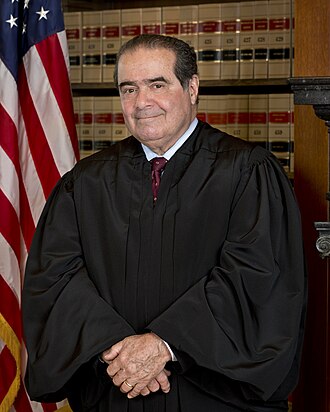 Antonin ScaliaWrote the majority opinion
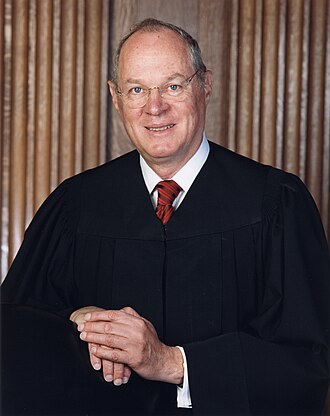 Anthony KennedyWrote a concurrence
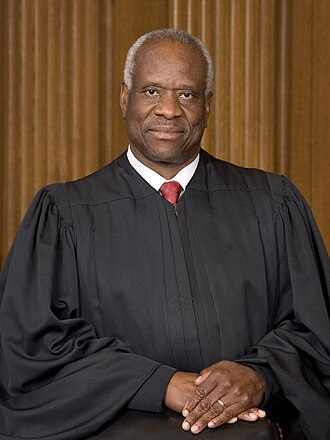 Clarence ThomasWrote a concurrence
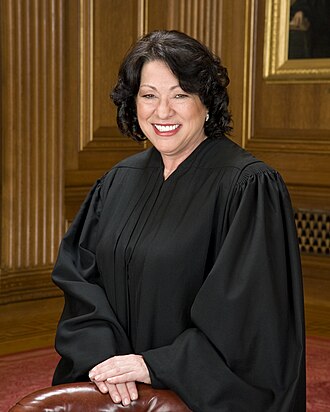 Sonia SotomayorJoined the majority
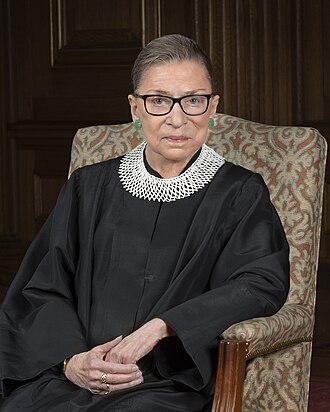 Ruth GinsburgJoined the majority
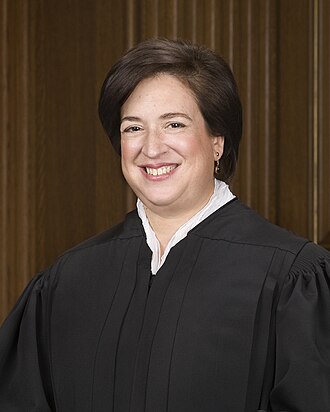 Elena KaganJoined the majority
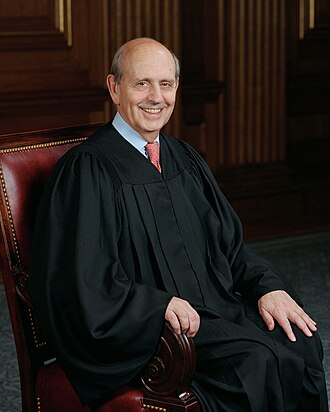 Stephen BreyerJoined the majority
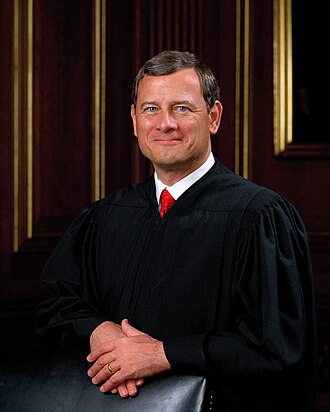 John RobertsJoined the majority
Dissent(1)
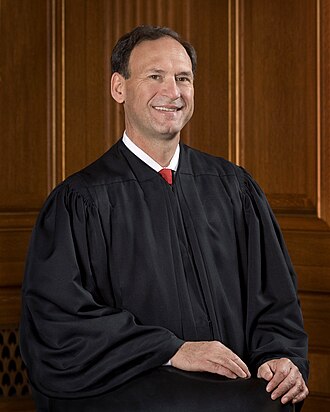 Samuel AlitoWrote a dissent
Data notes
Each justice’s vote and what they wrote are from the justice-centered file of the Supreme Court Database. “Wrote a concurrence” means the justice sided with the majority and wrote separately; a justice who dissented in part is counted on the side they took overall. A justice who wrote nothing is listed as joining their side.
Positions are each justice’s Martin–Quinn score for the case’s term, the same scores as the Ideology page: negative is more liberal, positive more conservative. A score sums up a justice’s votes across the whole term, so it says where they usually sit, not why they voted as they did here. The median line is the Court’s median justice that term.
The parties
Who brought the case to the Court, who answered it, and how it got there.
- Petitioner
- JohnsonPerson convicted of crime
- Respondent
- United StatesUnited States
- Reached the Court by
- Certiorari (the Court chose to hear it)
Data notes
The names are the two sides of the case’s title. The description under each is the Supreme Court Database’s category for that party, in its own wording. The petitioner is the side that asked the Supreme Court to review the decision below. “Why it was taken” appears only when the majority opinion says lower courts disagreed or were unsure about the question; reasons that would fit any case (“to resolve the question presented”, “an important question”) are left out.
The law at issue
The law the Court was asked to apply, and the kind of power it used to decide.
- Provision
- Fifth Amendment (due process)
- Kind of law
- Constitutional Amendment
- Decided by
- Judicial review (national level)
- Struck down
- An act of Congress, as unconstitutional
- Precedent
- The Court overruled one of its own earlier decisions.
Data notes
The Supreme Court Database codes the main constitutional provision, statute or court rule each case turned on, and the basis of the decision: judicial review of a federal or state law, interpreting a statute, supervising the lower courts, and so on. A case can rest on more than one. “Overruled” counts only where the majority opinion says so.
Timeline
What happened at the Court and how the case got there, newest first.
- Jun 26, 2015DecidedDecided · Decided 8–1: reversed and remanded. Johnson won.
- Apr 20, 2015RearguedReargued · The Court heard the case argued a second time.
- Nov 5, 2014ArguedArgued · Oral argument before the Court.
- Not datedTaken upTaken up · The Supreme Court agreed to hear the case (certiorari).
- Not datedCourt belowCourt below · Decided by the U.S. Court of Appeals, Eighth Circuit: affirmed.
- Not datedBeganBegan · The case began in the Minnesota U.S. District Court.
Data notes
From the Supreme Court Database: the court the case began in, the court whose decision the Supreme Court reviewed and what that court did, how the case came to the Court, and the dates of argument and decision. The database does not date the steps in the lower courts. Court names are the database’s.
Other decisions on the same issue
40 other argued cases since 1946 on due process: prisoners' rights and defendants' rights, newest first.
- Gutierrez v. Saenz145 S. Ct. 2258Jun 26, 2025 · 145 S. Ct. 2258Due process6–36–3 band
- Glossip v. Oklahoma145 S. Ct. 612Feb 25, 2025 · 145 S. Ct. 612Due process6–27–2 band
- United States v. Davis139 S. Ct. 2319Jun 24, 2019 · 139 S. Ct. 2319Due process5–45–4 band
- Reginald A. Wilkinson, Director, Ohio Department of Rehabilitation and Correction, et al. v. Charles E. Austin et al.545 U.S. 209Jun 13, 2005 · 545 U.S. 209Due process9–0Unanimous band
- Charles Thomas Sell v. United StatesLandmark · Competence539 U.S. 166Jun 16, 2003 · 539 U.S. 166Due processLandmark · Competence6–36–3 band
- Ohio Adult Parole Authority, et al. v. Eugene Woodard523 U.S. 272Mar 25, 1998 · 523 U.S. 272Due process9–0Unanimous band
- Leroy L. Young, et al. v. Ernest Eugene Harper520 U.S. 143Mar 18, 1997 · 520 U.S. 143Due process9–0Unanimous band
- Samuel A. Lewis, Director, Arizona Department of Corrections, et al. v. Fletcher Casey, Jr., et al.518 U.S. 343Jun 24, 1996 · 518 U.S. 343Due process8–18–1 band
- Cinda Sandin, Unit Team Manager, Halawa Correctional Facility v. Demont R. D. Conner et al.515 U.S. 472Jun 19, 1995 · 515 U.S. 472Due process5–45–4 band
- Robert C. Rufo, Sheriff of Suffolk County, et al. v. Inmates of the Suffolk County Jail, et al.502 U.S. 367Jan 15, 1992 · 502 U.S. 367Due process6–27–2 band
- John H. McCarthy v. Bronson, George, Warden, et al.500 U.S. 136May 20, 1991 · 500 U.S. 136Due process9–0Unanimous band
- Michael Owen Perry v. Louisiana498 U.S. 38Nov 13, 1990 · 498 U.S. 38Due process8–0Unanimous band
- Washington, et al. v. Walter Harper494 U.S. 210Feb 27, 1990 · 494 U.S. 210Due process6–36–3 band
- Kentucky Department of Corrections et al. v. Thompson et al.490 U.S. 454May 15, 1989 · 490 U.S. 454Due process6–36–3 band
- Board of Pardons et al. v. Allen et al.482 U.S. 369Jun 9, 1987 · 482 U.S. 369Due process6–36–3 band
- United States v. Salerno et al.481 U.S. 739May 26, 1987 · 481 U.S. 739Due process6–36–3 band
- Superintendent, Massachusetts Correctional Institution at Walpole v. Hill et al.472 U.S. 445Jun 17, 1985 · 472 U.S. 445Due process6–36–3 band
- Black, Director, Missouri Department of Corrections and Human Resources, et al. v. Romano471 U.S. 606May 20, 1985 · 471 U.S. 606Due process8–0Unanimous band
- Ponte, Superintendent, Massachusetts Correctional Institution v. Real471 U.S. 491May 20, 1985 · 471 U.S. 491Due process6–27–2 band
- Block, Sheriff of the County of Los Angeles, et al. v. Rutherford et al.468 U.S. 576Jul 3, 1984 · 468 U.S. 576Due process6–36–3 band
- City of Revere v. Massachusetts General Hospital463 U.S. 239Jun 27, 1983 · 463 U.S. 239Due process9–0Unanimous band
- Olim et al. v. Wakinekona461 U.S. 238Apr 26, 1983 · 461 U.S. 238Due process6–36–3 band
- Hewitt et al. v. Helms459 U.S. 460Feb 22, 1983 · 459 U.S. 460Due process5–45–4 band
- Howe v. Smith, Attorney General, et al.452 U.S. 473Jun 17, 1981 · 452 U.S. 473Due process9–0Unanimous band
- Connecticut Board of Pardons et al. v. Dumschat et al.452 U.S. 458Jun 17, 1981 · 452 U.S. 458Due process7–27–2 band
- Vitek, Correctional Director, et al. v. Jones445 U.S. 480Mar 25, 1980 · 445 U.S. 480Due process5–45–4 band
- Greenholtz, Chairman, Board of Parole of Nebraska, et al. v. Inmates of the Nebraska Penal and Correction Complex et al.442 U.S. 1May 29, 1979 · 442 U.S. 1Due process5–45–4 band
- Bell, Attorney General, et al. v. Wolfish et al.441 U.S. 520May 14, 1979 · 441 U.S. 520Due process6–36–3 band
- Bounds, Correction Commissioner, et al. v. Smith et al.430 U.S. 817Apr 27, 1977 · 430 U.S. 817Due process6–36–3 band
- Moody v. Daggett429 U.S. 78Nov 15, 1976 · 429 U.S. 78Due process7–27–2 band
- Montanye, Correctional Superintendent, et al. v. Haymes427 U.S. 236Jun 25, 1976 · 427 U.S. 236Due process6–36–3 band
- Meachum, Correctional Superintendent, et al. v. Fano et al.427 U.S. 215Jun 25, 1976 · 427 U.S. 215Due process6–36–3 band
- Baxter et al. v. Palmigiano425 U.S. 308Apr 20, 1976 · 425 U.S. 308Due process6–27–2 band
- Wolff, Warden, et al. v. McDonnellLandmark · Other criminal sentences418 U.S. 539Jun 26, 1974 · 418 U.S. 539Due processLandmark · Other criminal sentences6–36–3 band
- Marshall v. United States414 U.S. 417Jan 9, 1974 · 414 U.S. 417Due process6–36–3 band
- Hurtado et al. v. United States410 U.S. 578Mar 5, 1973 · 410 U.S. 578Due process7–27–2 band
- McGinnis, Commissioner of Correction, et al. v. Royster et al.410 U.S. 263Feb 21, 1973 · 410 U.S. 263Due process7–27–2 band
- Morrissey et al. v. Brewer, Warden, et al.Landmark · Other criminal sentences408 U.S. 471Jun 29, 1972 · 408 U.S. 471Due processLandmark · Other criminal sentences9–0Unanimous band
- Younger, Attorney General of California, et al. v. Gilmore et al.404 U.S. 15Nov 8, 1971 · 404 U.S. 15Due process7–0Unanimous band
- Solesbee v. Balkcom, Warden339 U.S. 9Feb 20, 1950 · 339 U.S. 9Due process7–18–1 band
Data notes
Every other orally argued case with a clear vote, from the 1946 term on, that the Supreme Court Database files under the same issue as this one. The database gives each case one issue from a list of about 270 (abortion, search and seizure of vehicles, the death penalty, and so on), whatever law it turned on.
Official record
Read the full opinion on Justia, the argument audio on Oyez and Wikipedia. Case data from the Supreme Court Database, Version 2026 Release 01, through the 2025 term.