Federal Communications Commission, et al., Petitioners v. Fox Television Stations, Inc., et al.
The Supreme Court excused the broadcasters from paying fines levied for what the FCC had determined indecency, in a majority opinion delivered by Justice Anthony Kennedy.
567 U.S. 239 · No. 10-1293 · 2011 term · Roberts Court
Decided Jun 21, 2012 · argued Jan 10, 2012
Due process · Due process: miscellaneous
Majority opinion: Anthony Kennedy
The voteMajority
8–08 in the majority, 0 in dissent
No dissent (9–0)
Vacated and remanded. Federal Communications Commission, et al., Petitioners lost.
What this ruling means
Vacated and remanded: the Supreme Court set aside the decision of the U.S. Court of Appeals, Second Circuit, wiping it out without necessarily saying the result was wrong, and sent the case back for that court to decide again under the right legal standard.
Federal Communications Commission, et al., Petitioners was the petitioner, the side that asked the Supreme Court to review the case. “Lost” means the Court did not give that side the result it asked for.
From the Supreme Court Database. A justice who agreed with the result but not the reasoning counts in the majority.
Summary
The opening of the case’s Wikipedia article: what the case was about and what the Court held.
Federal Communications Commission v. Fox Television Stations, Inc., 567 U.S. 239 (2012), was a decision by the Supreme Court of the United States regarding whether the Federal Communications Commission's scheme for regulating speech is unconstitutionally vague. The Supreme Court excused the broadcasters from paying fines levied for what the FCC had determined indecency, in a majority opinion delivered by Justice Anthony Kennedy. The Supreme Court had previously issued an opinion in the case in 2009 addressing the nature of the fine itself, without addressing the restriction on indecent speech.
Data notes
The text is Wikipedia’s (CC BY-SA 4.0), matched to the case by its citation, docket number or name and year, and is not checked against the opinion. The site keeps the article’s opening section, ending on its last full sentence. The one-sentence summary under the title is the Decisions list’s: Wikipedia’s own ruling sentence, or, tagged “AI-written”, one Claude wrote from this opening.
How the justices voted
Each justice who took part, placed by their Martin–Quinn ideology score for the 2011 term. Filled: the 8 in the majority. Hollow: the 0 in dissent. Colour is the party of the president who appointed them.
Majority(8)
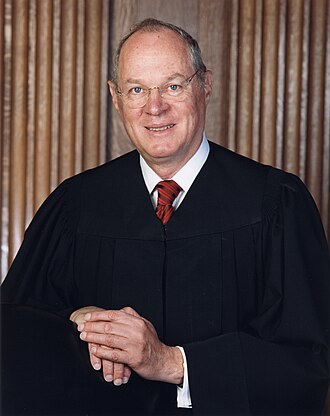 Anthony KennedyWrote the majority opinion
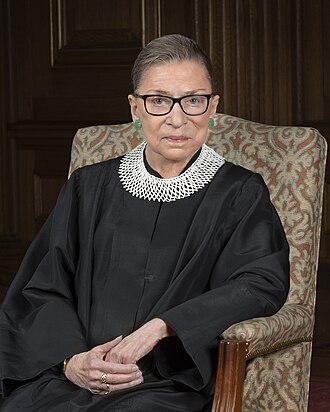 Ruth GinsburgWrote a concurrence
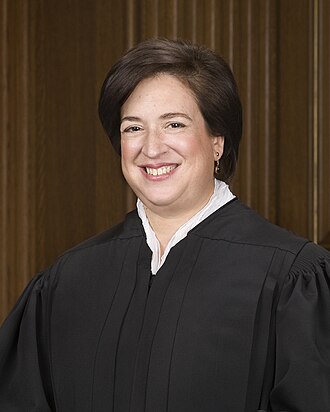 Elena KaganJoined the majority
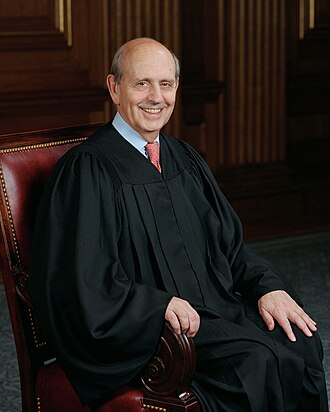 Stephen BreyerJoined the majority
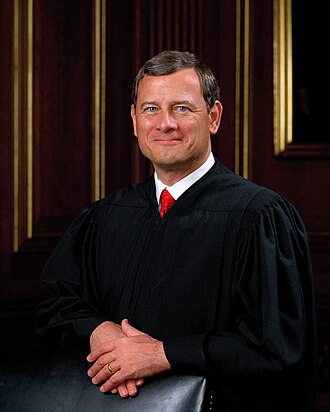 John RobertsJoined the majority
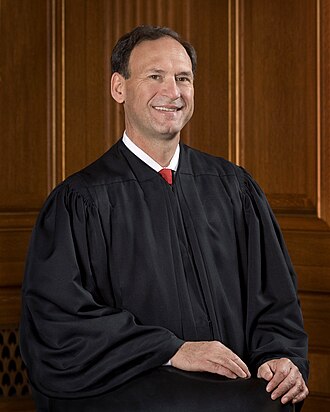 Samuel AlitoJoined the majority
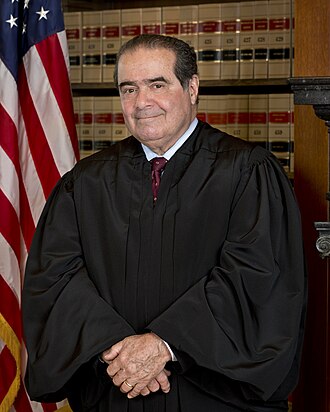 Antonin ScaliaJoined the majority
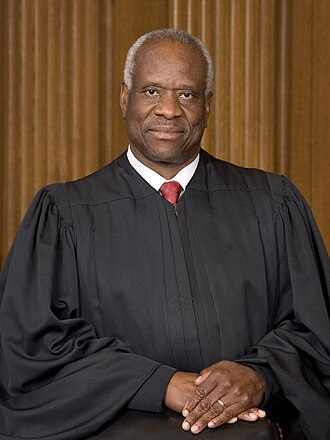 Clarence ThomasJoined the majority
Dissent(0)
- None.
Did not take part: Sonia Sotomayor.
Data notes
Each justice’s vote and what they wrote are from the justice-centered file of the Supreme Court Database. “Wrote a concurrence” means the justice sided with the majority and wrote separately; a justice who dissented in part is counted on the side they took overall. A justice who wrote nothing is listed as joining their side.
Positions are each justice’s Martin–Quinn score for the case’s term, the same scores as the Ideology page: negative is more liberal, positive more conservative. A score sums up a justice’s votes across the whole term, so it says where they usually sit, not why they voted as they did here. The median line is the Court’s median justice that term.
The parties
Who brought the case to the Court, who answered it, and how it got there.
- Petitioner
- Federal Communications Commission, et al., PetitionersFederal Communications Commission
- Respondent
- Fox Television Stations, Inc., et al.Television station
- Reached the Court by
- Certiorari (the Court chose to hear it)
Data notes
The names are the two sides of the case’s title. The description under each is the Supreme Court Database’s category for that party, in its own wording. The petitioner is the side that asked the Supreme Court to review the decision below. “Why it was taken” appears only when the majority opinion says lower courts disagreed or were unsure about the question; reasons that would fit any case (“to resolve the question presented”, “an important question”) are left out.
The law at issue
The law the Court was asked to apply, and the kind of power it used to decide.
- Provision
- Fifth Amendment (due process)
- Kind of law
- Constitutional Amendment
- Decided by
- Judicial review (national level)
Data notes
The Supreme Court Database codes the main constitutional provision, statute or court rule each case turned on, and the basis of the decision: judicial review of a federal or state law, interpreting a statute, supervising the lower courts, and so on. A case can rest on more than one. “Overruled” counts only where the majority opinion says so.
Timeline
What happened at the Court and how the case got there, newest first.
- Jun 21, 2012DecidedDecided · Decided 8–0: vacated and remanded. Federal Communications Commission, et al., Petitioners lost.
- Jan 10, 2012ArguedArgued · Oral argument before the Court.
- Not datedTaken upTaken up · The Supreme Court agreed to hear the case (certiorari).
- Not datedCourt belowCourt below · Began in and was decided by the U.S. Court of Appeals, Second Circuit: reversed.
Data notes
From the Supreme Court Database: the court the case began in, the court whose decision the Supreme Court reviewed and what that court did, how the case came to the Court, and the dates of argument and decision. The database does not date the steps in the lower courts. Court names are the database’s.
Other decisions on the same issue
72 other argued cases since 1946 on due process: miscellaneous, newest first.
- Kahler v. KansasLandmark · Competence140 S. Ct. 1021Mar 23, 2020 · 140 S. Ct. 1021Due processLandmark · Competence6–36–3 band
- Obergefell v. HodgesLandmark · Discrimination based on sexual orientation or gender identity576 U.S. 644Jun 26, 2015 · 576 U.S. 644Due processLandmark · Discrimination based on sexual orientation or gender identity5–45–4 band
- United States v. WindsorLandmark · Discrimination based on sexual orientation or gender identity570 U.S. 744Jun 26, 2013 · 570 U.S. 744Due processLandmark · Discrimination based on sexual orientation or gender identity5–45–4 band
- Eric Michael Clark v. Arizona548 U.S. 735Jun 29, 2006 · 548 U.S. 735Due process5–45–4 band
- Keshia Cherie Ashford Dixon v. United States548 U.S. 1Jun 22, 2006 · 548 U.S. 1Due process7–27–2 band
- Bobby Lee Holmes v. South Carolina547 U.S. 319May 1, 2006 · 547 U.S. 319Due process9–0Unanimous band
- Town of Castle Rock, Colorado v. Gonzales, Individually and As Next Friend of Her Deceased Minor Children, Gonzales et al.545 U.S. 748Jun 27, 2005 · 545 U.S. 748Due process7–27–2 band
- Carman L. Deck v. Missouri544 U.S. 622May 23, 2005 · 544 U.S. 622Due process7–27–2 band
- Kansas v. Michael T. Crane534 U.S. 407Jan 22, 2002 · 534 U.S. 407Due process7–27–2 band
- Brentwood Academy v. Tennessee Secondary School Athletic Association, et al.531 U.S. 288Feb 20, 2001 · 531 U.S. 288Due process5–45–4 band
- Mark Seling, Superintendent, Special Commitment Center v. Andre Brigham Young531 U.S. 250Jan 17, 2001 · 531 U.S. 250Due process8–18–1 band
- William Fiore v. Gregory White, Warden, et al.531 U.S. 225Jan 9, 2001 · 531 U.S. 225Due process9–0Unanimous band
- City of Chicago v. Jesus Morales et al.527 U.S. 41Jun 10, 1999 · 527 U.S. 41Due process6–36–3 band
- American Manufacturers Mutual Insurance Company, et al. v. Delores Scott Sullivan et al.526 U.S. 40Mar 3, 1999 · 526 U.S. 40Due process8–18–1 band
- Kansas v. Leroy Hendricks521 U.S. 346Jun 23, 1997 · 521 U.S. 346Due process5–45–4 band
- Montana v. James Allen Egelhoff518 U.S. 37Jun 13, 1996 · 518 U.S. 37Due process5–45–4 band
- Byron Keith Cooper v. Oklahoma517 U.S. 348Apr 16, 1996 · 517 U.S. 348Due process9–0Unanimous band
- Leonard Heller, Secretary, Kentucky Cabinet for Human Resources v. Samuel Doe, by His Mother and Next Friend, Mary Doe, et al.509 U.S. 312Jun 24, 1993 · 509 U.S. 312Due process5–45–4 band
- Teofilo Medina, Jr. v. California505 U.S. 437Jun 22, 1992 · 505 U.S. 437Due process7–27–2 band
- Terry Foucha v. Louisiana504 U.S. 71May 18, 1992 · 504 U.S. 71Due process5–45–4 band
- Diane Griffin v. United States502 U.S. 46Dec 3, 1991 · 502 U.S. 46Due process8–0Unanimous band
- Edward Harold Schad, Jr. v. Arizona501 U.S. 624Jun 21, 1991 · 501 U.S. 624Due process5–45–4 band
- Michael H. et al. v. Gerald D.491 U.S. 110Jun 15, 1989 · 491 U.S. 110Due process5–45–4 band
- Arizona v. Youngblood, Larry488 U.S. 51Nov 29, 1988 · 488 U.S. 51Due process6–36–3 band
- Rivera v. Minnich483 U.S. 574Jun 25, 1987 · 483 U.S. 574Due process8–18–1 band
- Martin v. Ohio480 U.S. 228Feb 25, 1987 · 480 U.S. 228Due process5–45–4 band
- McMillan et al. v. Pennsylvania477 U.S. 79Jun 19, 1986 · 477 U.S. 79Due process5–45–4 band
- Atkins, Commissioner of the Massachusetts Department of Public Welfare v. Parker et al.472 U.S. 115Jun 4, 1985 · 472 U.S. 115Due process7–27–2 band
- Wasman v. United States468 U.S. 559Jul 3, 1984 · 468 U.S. 559Due process9–0Unanimous band
- California v. Trombetta et al.467 U.S. 479Jun 11, 1984 · 467 U.S. 479Due process9–0Unanimous band
- Board of Education of Paris Union School District No. 95 et al. v. Vail466 U.S. 377Apr 23, 1984 · 466 U.S. 377Due process4–45–4 band
- Jones v. United States463 U.S. 354Jun 29, 1983 · 463 U.S. 354Due process5–45–4 band
- Kolender, Chief of Police of San Diego, et al. v. Lawson461 U.S. 352May 2, 1983 · 461 U.S. 352Due process7–27–2 band
- Landon, District Director of the Immigration and Naturalization Service v. Plasencia459 U.S. 21Nov 15, 1982 · 459 U.S. 21Due process8–18–1 band
- Youngberg, Superintendent, Pennhurst State School and Hospital, et al. v. Romeo, an Incompetent, by His Mother and Next Friend, RomeoLandmark · Restrictions on involuntary commitment457 U.S. 307Jun 18, 1982 · 457 U.S. 307Due processLandmark · Restrictions on involuntary commitment9–0Unanimous band
- Hicks v. Oklahoma447 U.S. 343Jun 16, 1980 · 447 U.S. 343Due process8–18–1 band
- County Court of Ulster County, New York, et al. v. Allen et al.442 U.S. 140Jun 4, 1979 · 442 U.S. 140Due process5–45–4 band
- Addington v. TexasLandmark · Restrictions on involuntary commitment441 U.S. 418Apr 30, 1979 · 441 U.S. 418Due processLandmark · Restrictions on involuntary commitment8–0Unanimous band
- United States v. Grayson438 U.S. 41Jun 26, 1978 · 438 U.S. 41Due process6–36–3 band
- Memphis Light, Gas & Water Division et al. v. Craft et al.436 U.S. 1May 1, 1978 · 436 U.S. 1Due process6–36–3 band
- Patterson v. New York432 U.S. 197Jun 17, 1977 · 432 U.S. 197Due process5–36–3 band
- Usery, Secretary of Labor, et al. v. Turner Elkhorn Mining Co. et al.428 U.S. 1Jul 1, 1976 · 428 U.S. 1Due process6–27–2 band
- North v. Russell et al.427 U.S. 328Jun 25, 1976 · 427 U.S. 328Due process6–27–2 band
- United States v. Agurs427 U.S. 97Jun 24, 1976 · 427 U.S. 97Due process7–27–2 band
- Tennessee et al. v. Dunlap426 U.S. 312Jun 10, 1976 · 426 U.S. 312Due process9–0Unanimous band
- United States v. Powell423 U.S. 87Dec 2, 1975 · 423 U.S. 87Due process8–0Unanimous band
- O'Connor v. DonaldsonLandmark · Restrictions on involuntary commitment422 U.S. 563Jun 26, 1975 · 422 U.S. 563Due processLandmark · Restrictions on involuntary commitment9–0Unanimous band
- Mullaney et al. v. Wilbur421 U.S. 684Jun 9, 1975 · 421 U.S. 684Due process9–0Unanimous band
- Drope v. Missouri420 U.S. 162Feb 19, 1975 · 420 U.S. 162Due process9–0Unanimous band
- Barnes v. United States412 U.S. 837Jun 18, 1973 · 412 U.S. 837Due process6–36–3 band
- Vlandis v. Kline et al.412 U.S. 441Jun 11, 1973 · 412 U.S. 441Due process6–36–3 band
- United States v. Fuller et ux.409 U.S. 488Jan 16, 1973 · 409 U.S. 488Due process5–45–4 band
- Moore v. Illinois408 U.S. 786Jun 29, 1972 · 408 U.S. 786Due process5–45–4 band
- McNeil v. Director, Patuxent Institution407 U.S. 245Jun 19, 1972 · 407 U.S. 245Due process9–0Unanimous band
- Jackson v. IndianaLandmark · Restrictions on involuntary commitment406 U.S. 715Jun 7, 1972 · 406 U.S. 715Due processLandmark · Restrictions on involuntary commitment7–0Unanimous band
- Smith et al. v. Florida405 U.S. 172Feb 24, 1972 · 405 U.S. 172Due process7–0Unanimous band
- Papachristou et al. v. City of Jacksonville405 U.S. 156Feb 24, 1972 · 405 U.S. 156Due process7–0Unanimous band
- Giglio v. United States405 U.S. 150Feb 24, 1972 · 405 U.S. 150Due process7–0Unanimous band
- Groppi v. Leslie, Sheriff404 U.S. 496Jan 13, 1972 · 404 U.S. 496Due process7–0Unanimous band
- Palmer v. City of Euclid, Ohio402 U.S. 544May 24, 1971 · 402 U.S. 544Due process9–0Unanimous band
- Turner v. United States396 U.S. 398Jan 20, 1970 · 396 U.S. 398Due process6–27–2 band
- Giaccio v. Pennsylvania382 U.S. 399Jan 19, 1966 · 382 U.S. 399Due process9–0Unanimous band
- United States v. Romano et al.382 U.S. 136Nov 22, 1965 · 382 U.S. 136Due process9–0Unanimous band
- Holt et al. v. Virginia381 U.S. 131May 17, 1965 · 381 U.S. 131Due process8–18–1 band
- Hannah et al. v. Larche et al.363 U.S. 420Jun 20, 1960 · 363 U.S. 420Due process7–27–2 band
- Thompson v. City of Louisville et al.Landmark · Other areas362 U.S. 199Mar 21, 1960 · 362 U.S. 199Due processLandmark · Other areas9–0Unanimous band
- Chessman v. Teets, Warden354 U.S. 156Jun 10, 1957 · 354 U.S. 156Due process5–36–3 band
- United States v. Cardiff344 U.S. 174Dec 8, 1952 · 344 U.S. 174Due process8–18–1 band
- Leland v. Oregon343 U.S. 790Jun 9, 1952 · 343 U.S. 790Due process7–27–2 band
- Federal Trade Commission v. Cement Institute et al.333 U.S. 683Apr 26, 1948 · 333 U.S. 683Due process6–18–1 band
- Parker v. Illinois333 U.S. 571Apr 5, 1948 · 333 U.S. 571Due process6–36–3 band
- Cole et al. v. Arkansas333 U.S. 196Mar 8, 1948 · 333 U.S. 196Due process9–0Unanimous band
Data notes
Every other orally argued case with a clear vote, from the 1946 term on, that the Supreme Court Database files under the same issue as this one. The database gives each case one issue from a list of about 270 (abortion, search and seizure of vehicles, the death penalty, and so on), whatever law it turned on.
Official record
Read the full opinion on Justia, the argument audio on Oyez and Wikipedia. Case data from the Supreme Court Database, Version 2026 Release 01, through the 2025 term.