Southern Union Co. v. United States
The Court extended the Apprendi rule, that certain non-conviction elements of a crime must be proved to a jury, to criminal penalties.· AI-written
567 U.S. 343 · No. 11-94 · 2011 term · Roberts Court
Decided Jun 21, 2012 · argued Mar 19, 2012
Criminal procedure · Statutory construction of criminal laws: sentencing guidelines
Majority opinion: Sonia Sotomayor
The voteMajorityDissent
6–36 in the majority, 3 in dissent
3 dissents (6–3)
Reversed and remanded. Southern Union Co. won.
What this ruling means
Reversed and remanded: the Supreme Court overturned the decision of the U.S. Court of Appeals, First Circuit and sent the case back to that court for further proceedings that follow the Supreme Court’s ruling.
Southern Union Co. was the petitioner, the side that asked the Supreme Court to review the case. “Won” means the Court gave that side the result it asked for.
From the Supreme Court Database. A justice who agreed with the result but not the reasoning counts in the majority.
Summary
The opening of the case’s Wikipedia article: what the case was about and what the Court held.
Southern Union Co. v. United States, 567 U.S. 343 (2012), was a Supreme Court decision that applied the rule set out in Apprendi v. New Jersey—that certain non-conviction elements of a crime must be proved to a jury—to criminal penalties. The 6–3 decision was authored by Justice Sonia Sotomayor.
Data notes
The text is Wikipedia’s (CC BY-SA 4.0), matched to the case by its citation, docket number or name and year, and is not checked against the opinion. The site keeps the article’s opening section, ending on its last full sentence. The one-sentence summary under the title is the Decisions list’s: Wikipedia’s own ruling sentence, or, tagged “AI-written”, one Claude wrote from this opening.
How the justices voted
Each justice who took part, placed by their Martin–Quinn ideology score for the 2011 term. Filled: the 6 in the majority. Hollow: the 3 in dissent. Colour is the party of the president who appointed them.
Majority(6)
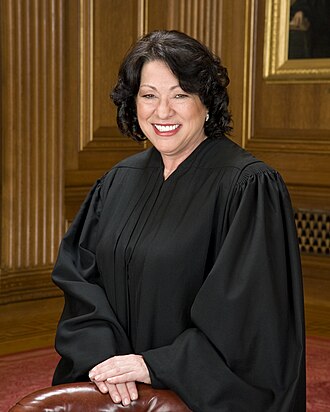 Sonia SotomayorWrote the majority opinion
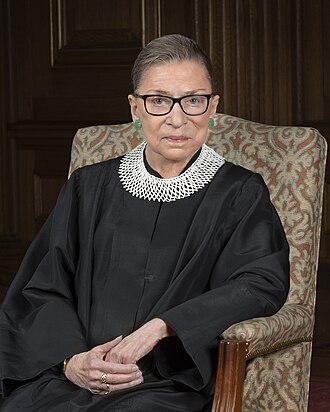 Ruth GinsburgJoined the majority
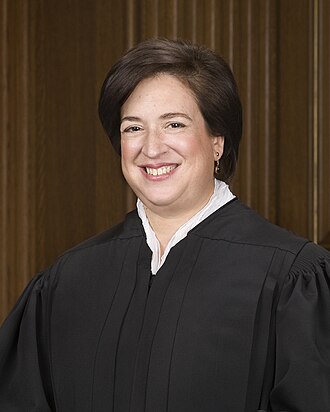 Elena KaganJoined the majority
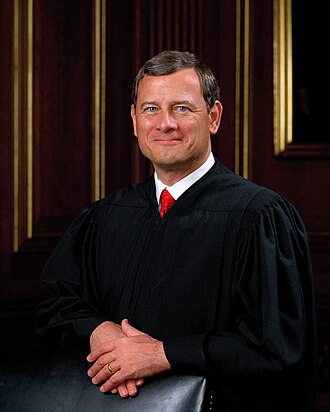 John RobertsJoined the majority
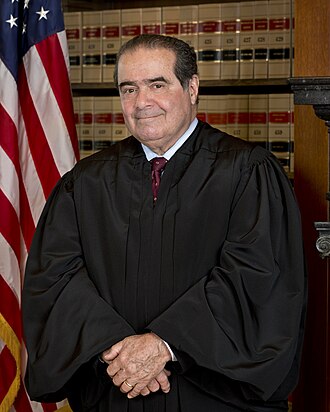 Antonin ScaliaJoined the majority
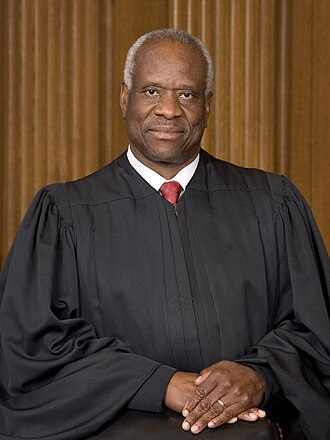 Clarence ThomasJoined the majority
Dissent(3)
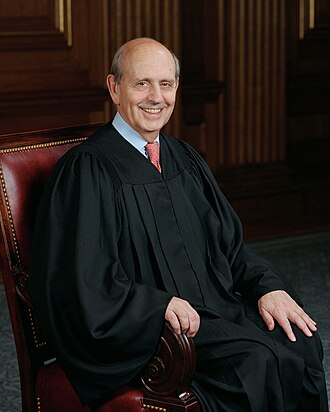 Stephen BreyerWrote a dissent
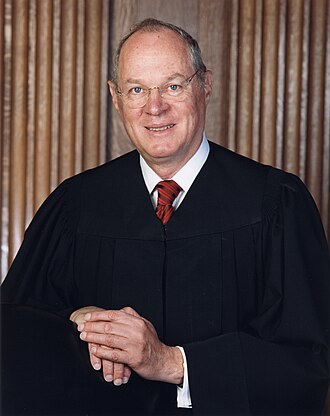 Anthony KennedyJoined a dissent
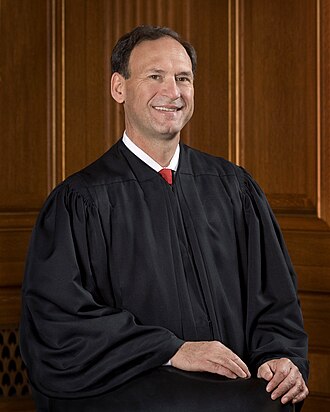 Samuel AlitoJoined a dissent
Data notes
Each justice’s vote and what they wrote are from the justice-centered file of the Supreme Court Database. “Wrote a concurrence” means the justice sided with the majority and wrote separately; a justice who dissented in part is counted on the side they took overall. A justice who wrote nothing is listed as joining their side.
Positions are each justice’s Martin–Quinn score for the case’s term, the same scores as the Ideology page: negative is more liberal, positive more conservative. A score sums up a justice’s votes across the whole term, so it says where they usually sit, not why they voted as they did here. The median line is the Court’s median justice that term.
The parties
Who brought the case to the Court, who answered it, and how it got there.
- Petitioner
- Southern Union Co.Distributor
- Respondent
- United StatesUnited States
- Reached the Court by
- Certiorari (the Court chose to hear it)
- Why it was taken
- Federal appeals courts had ruled differently on the question
Data notes
The names are the two sides of the case’s title. The description under each is the Supreme Court Database’s category for that party, in its own wording. The petitioner is the side that asked the Supreme Court to review the decision below. “Why it was taken” appears only when the majority opinion says lower courts disagreed or were unsure about the question; reasons that would fit any case (“to resolve the question presented”, “an important question”) are left out.
The law at issue
The law the Court was asked to apply, and the kind of power it used to decide.
- Provision
- 42-6928
- Kind of law
- Infrequently litigated statutes
- Decided by
- Statutory construction
Data notes
The Supreme Court Database codes the main constitutional provision, statute or court rule each case turned on, and the basis of the decision: judicial review of a federal or state law, interpreting a statute, supervising the lower courts, and so on. A case can rest on more than one. “Overruled” counts only where the majority opinion says so.
Timeline
What happened at the Court and how the case got there, newest first.
- Jun 21, 2012DecidedDecided · Decided 6–3: reversed and remanded. Southern Union Co. won.
- Mar 19, 2012ArguedArgued · Oral argument before the Court.
- Not datedTaken upTaken up · The Supreme Court agreed to hear the case (certiorari). Federal appeals courts had ruled differently on the question.
- Not datedCourt belowCourt below · Decided by the U.S. Court of Appeals, First Circuit: affirmed.
- Not datedBeganBegan · The case began in the Rhode Island U.S. District Court.
Data notes
From the Supreme Court Database: the court the case began in, the court whose decision the Supreme Court reviewed and what that court did, how the case came to the Court, and the dates of argument and decision. The database does not date the steps in the lower courts. Court names are the database’s.
Other decisions on the same issue
56 other argued cases since 1946 on statutory construction of criminal laws: sentencing guidelines, newest first.
- Fernandez v. United States146 S. Ct. 1292May 28, 2026 · 146 S. Ct. 1292Criminal procedure8–18–1 band
- Rutherford v. United States146 S. Ct. 1320May 28, 2026 · 146 S. Ct. 1320Criminal procedure6–36–3 band
- Rico v. United States607 U.S. 609Mar 25, 2026 · 607 U.S. 609Criminal procedure8–18–1 band
- Hewitt v. United States145 S. Ct. 1113Jun 26, 2025 · 145 S. Ct. 1113Criminal procedure5–45–4 band
- Esteras v. United States145 S. Ct. 2031Jun 20, 2025 · 145 S. Ct. 2031Criminal procedure7–27–2 band
- Erlinger v. United States144 S. Ct. 1840Jun 21, 2024 · 144 S. Ct. 1840Criminal procedure6–36–3 band
- Brown v. United States144 S. Ct. 1195May 23, 2024 · 144 S. Ct. 1195Criminal procedure6–36–3 band
- McIntosh v. United States601 U.S. 330Apr 17, 2024 · 601 U.S. 330Criminal procedure9–0Unanimous band
- Pulsifer v. United States601 U.S. 124Mar 15, 2024 · 601 U.S. 124Criminal procedure6–36–3 band
- Lora v. United States599 U.S. 453Jun 16, 2023 · 599 U.S. 453Criminal procedure9–0Unanimous band
- Concepcion v. United States142 S. Ct. 2389Jun 27, 2022 · 142 S. Ct. 2389Criminal procedure5–45–4 band
- Wooden v. United States142 S. Ct. 1063Mar 7, 2022 · 142 S. Ct. 1063Criminal procedure9–0Unanimous band
- Mont v. United States139 S. Ct. 1826Jun 3, 2019 · 139 S. Ct. 1826Criminal procedure5–45–4 band
- Chavez-Meza v. United States138 S. Ct. 1959Jun 18, 2018 · 138 S. Ct. 1959Criminal procedure5–36–3 band
- Rosales-Mireles v. United States138 S. Ct. 1897Jun 18, 2018 · 138 S. Ct. 1897Criminal procedure7–27–2 band
- Koons v. United States138 S. Ct. 1783Jun 4, 2018 · 138 S. Ct. 1783Criminal procedure9–0Unanimous band
- Hughes v. United States138 S. Ct. 1765Jun 4, 2018 · 138 S. Ct. 1765Criminal procedure6–36–3 band
- Dean v. United States137 S. Ct. 1170Apr 3, 2017 · 137 S. Ct. 1170Criminal procedure8–0Unanimous band
- Beckles v. United States137 S. Ct. 886Mar 6, 2017 · 137 S. Ct. 886Criminal procedure7–0Unanimous band
- Molina–Martinez v. United States578 U.S. 189Apr 20, 2016 · 578 U.S. 189Criminal procedure8–0Unanimous band
- Matthew Robert Descamps, Petitioner v. United States570 U.S. 254Jun 20, 2013 · 570 U.S. 254Criminal procedure8–18–1 band
- Allen Ryan Alleyne, Petitioner v. United States570 U.S. 99Jun 17, 2013 · 570 U.S. 99Criminal procedure5–45–4 band
- William Freeman v. United States564 U.S. 522Jun 23, 2011 · 564 U.S. 522Criminal procedure5–45–4 band
- Alejandra Tapia, Petitioner v. United States564 U.S. 319Jun 16, 2011 · 564 U.S. 319Criminal procedure9–0Unanimous band
- Marcus Sykes, Petitioner v. United States564 U.S. 1Jun 9, 2011 · 564 U.S. 1Criminal procedure6–36–3 band
- Jason Pepper, Petitioner v. United States562 U.S. 476Mar 2, 2011 · 562 U.S. 476Criminal procedure6–27–2 band
- Percy Dillon v. United States560 U.S. 817Jun 17, 2010 · 560 U.S. 817Criminal procedure7–18–1 band
- Michael Gary Barber, et al. v. J. E. Thomas, Warden560 U.S. 474Jun 7, 2010 · 560 U.S. 474Criminal procedure6–36–3 band
- Christopher Michael Dean v. United States556 U.S. 568Apr 29, 2009 · 556 U.S. 568Criminal procedure7–27–2 band
- Irizarry v. United States553 U.S. 708Jun 12, 2008 · 553 U.S. 708Criminal procedure5–45–4 band
- United States v. Gino Rodriquez553 U.S. 377May 19, 2008 · 553 U.S. 377Criminal procedure6–36–3 band
- Derrick Kimbrough v. United States552 U.S. 85Dec 10, 2007 · 552 U.S. 85Criminal procedure7–27–2 band
- Brian Michael Gall v. United States552 U.S. 38Dec 10, 2007 · 552 U.S. 38Criminal procedure7–27–2 band
- James D. Logan v. United States552 U.S. 23Dec 4, 2007 · 552 U.S. 23Criminal procedure9–0Unanimous band
- Victor A. Rita v. United States551 U.S. 338Jun 21, 2007 · 551 U.S. 338Criminal procedure8–18–1 band
- Alphonso James, Jr. v. United States550 U.S. 192Apr 18, 2007 · 550 U.S. 192Criminal procedure5–45–4 band
- John Cunningham v. California549 U.S. 270Jan 22, 2007 · 549 U.S. 270Criminal procedure6–36–3 band
- Washington v. Arturo R. Recuenco548 U.S. 212Jun 26, 2006 · 548 U.S. 212Criminal procedure7–27–2 band
- Reginald Shepard v. United States544 U.S. 13Mar 7, 2005 · 544 U.S. 13Criminal procedure5–36–3 band
- United States v. Freddie J. BookerLandmark · Other criminal sentences543 U.S. 220Jan 12, 2005 · 543 U.S. 220Criminal procedureLandmark · Other criminal sentences5–45–4 band
- Ralph Howard Blakely, Jr. v. WashingtonLandmark · Other criminal sentences542 U.S. 296Jun 24, 2004 · 542 U.S. 296Criminal procedureLandmark · Other criminal sentences5–45–4 band
- Timothy Stuart Ring v. Arizona536 U.S. 584Jun 24, 2002 · 536 U.S. 584Criminal procedure7–27–2 band
- Paula L. Buford v. United States532 U.S. 59Mar 20, 2001 · 532 U.S. 59Criminal procedure9–0Unanimous band
- Christopher A. Lopez v. Randy J. Davis, Warden, et al.531 U.S. 230Jan 10, 2001 · 531 U.S. 230Criminal procedure6–36–3 band
- Charles C. Apprendi, Jr. v. New JerseyLandmark · Other criminal sentences530 U.S. 466Jun 26, 2000 · 530 U.S. 466Criminal procedureLandmark · Other criminal sentences5–45–4 band
- Cornell Johnson v. United States529 U.S. 694May 15, 2000 · 529 U.S. 694Criminal procedure8–18–1 band
- United States v. George Labonte, Alfred Lawrence Hunnewell, and Stephen Dyer520 U.S. 751May 27, 1997 · 520 U.S. 751Criminal procedure6–36–3 band
- United States v. Miguel Gonzales, Orlenis Hernandez-Diaz and Mario Perez520 U.S. 1Mar 3, 1997 · 520 U.S. 1Criminal procedure7–27–2 band
- Juan Melendez v. United States518 U.S. 120Jun 17, 1996 · 518 U.S. 120Criminal procedure7–27–2 band
- Stacey C. Koon v. United States518 U.S. 81Jun 13, 1996 · 518 U.S. 81Criminal procedure5–45–4 band
- Terry Lynn Stinson v. United States508 U.S. 36May 3, 1993 · 508 U.S. 36Criminal procedure9–0Unanimous band
- United States v. Sharon Dunnigan507 U.S. 87Feb 23, 1993 · 507 U.S. 87Criminal procedure9–0Unanimous band
- William Fex v. Michigan507 U.S. 43Feb 23, 1993 · 507 U.S. 43Criminal procedure7–27–2 band
- Harold Ray Wade v. United States504 U.S. 181May 18, 1992 · 504 U.S. 181Criminal procedure9–0Unanimous band
- Thomas Braxton v. United States500 U.S. 344May 28, 1991 · 500 U.S. 344Criminal procedure9–0Unanimous band
- Taylor v. United States495 U.S. 575May 29, 1990 · 495 U.S. 575Criminal procedure9–0Unanimous band
Data notes
Every other orally argued case with a clear vote, from the 1946 term on, that the Supreme Court Database files under the same issue as this one. The database gives each case one issue from a list of about 270 (abortion, search and seizure of vehicles, the death penalty, and so on), whatever law it turned on.
Official record
Read the full opinion on Justia, the argument audio on Oyez and Wikipedia. Case data from the Supreme Court Database, Version 2026 Release 01, through the 2025 term.