United States, Petitioner v. Jason Louis Tinklenberg
The court held that, under the Speedy Trial Act of 1974, the speedy trial clock stops whenever a pretrial motion is filed, regardless of whether the trial process is actually delayed by the motion or expected to be delayed.
563 U.S. 647 · No. 09-1498 · 2010 term · Roberts Court
Decided May 26, 2011 · argued Feb 22, 2011
Criminal procedure · Speedy trial
Majority opinion: Stephen Breyer
The voteMajority
8–08 in the majority, 0 in dissent
No dissent (9–0)
Affirmed. United States, Petitioner lost.
What this ruling means
Affirmed: the Supreme Court upheld the decision of the U.S. Court of Appeals, Sixth Circuit, so it stands (sometimes with changes the Court made to it).
United States, Petitioner was the petitioner, the side that asked the Supreme Court to review the case. “Lost” means the Court did not give that side the result it asked for.
From the Supreme Court Database. A justice who agreed with the result but not the reasoning counts in the majority.
Summary
The opening of the case’s Wikipedia article: what the case was about and what the Court held.
United States v. Tinklenberg, 563 U.S. 647 (2011), was a United States Supreme Court case in which the court held that, under the Speedy Trial Act of 1974, the speedy trial clock stops whenever a pretrial motion is filed, regardless of whether the trial process is actually delayed by the motion or expected to be delayed.
Data notes
The text is Wikipedia’s (CC BY-SA 4.0), matched to the case by its citation, docket number or name and year, and is not checked against the opinion. The site keeps the article’s opening section, ending on its last full sentence. The one-sentence summary under the title is the Decisions list’s: Wikipedia’s own ruling sentence, or, tagged “AI-written”, one Claude wrote from this opening.
How the justices voted
Each justice who took part, placed by their Martin–Quinn ideology score for the 2010 term. Filled: the 8 in the majority. Hollow: the 0 in dissent. Colour is the party of the president who appointed them.
Majority(8)
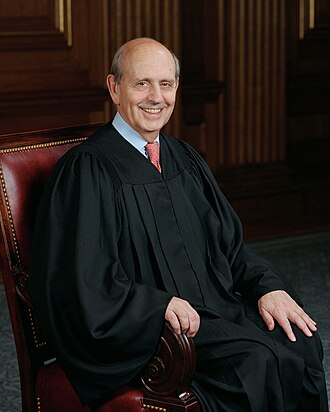 Stephen BreyerWrote the majority opinion
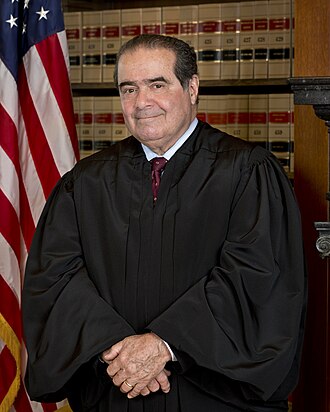 Antonin ScaliaWrote a concurrence
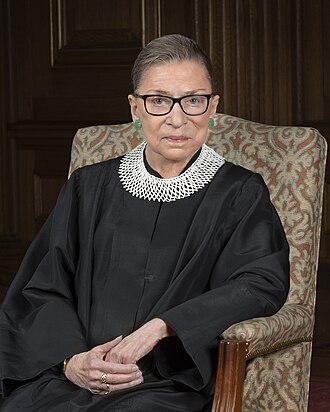 Ruth GinsburgJoined the majority
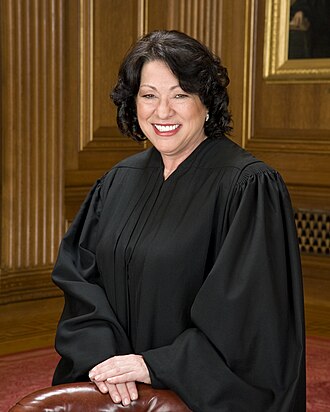 Sonia SotomayorJoined the majority
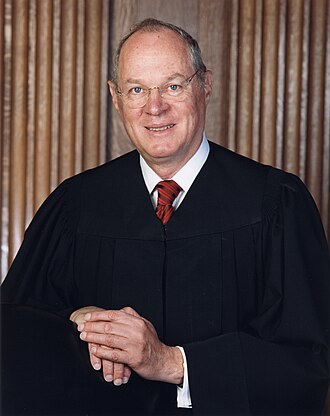 Anthony KennedyJoined the majority
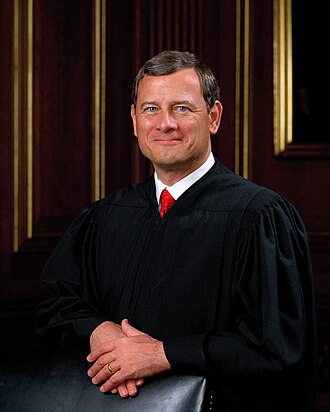 John RobertsJoined the majority
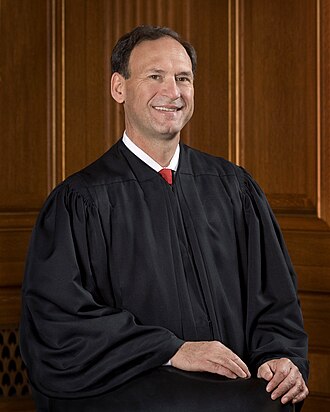 Samuel AlitoJoined the majority
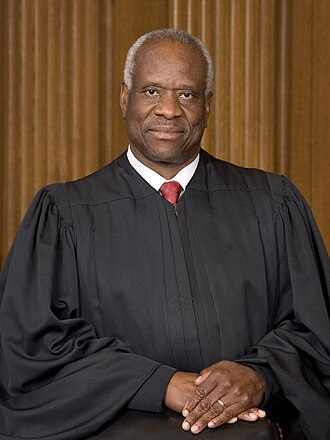 Clarence ThomasJoined the majority
Dissent(0)
- None.
Did not take part: Elena Kagan.
Data notes
Each justice’s vote and what they wrote are from the justice-centered file of the Supreme Court Database. “Wrote a concurrence” means the justice sided with the majority and wrote separately; a justice who dissented in part is counted on the side they took overall. A justice who wrote nothing is listed as joining their side.
Positions are each justice’s Martin–Quinn score for the case’s term, the same scores as the Ideology page: negative is more liberal, positive more conservative. A score sums up a justice’s votes across the whole term, so it says where they usually sit, not why they voted as they did here. The median line is the Court’s median justice that term.
The parties
Who brought the case to the Court, who answered it, and how it got there.
- Petitioner
- United States, PetitionerUnited States
- Respondent
- Jason Louis TinklenbergDefendant
- Reached the Court by
- Certiorari (the Court chose to hear it)
Data notes
The names are the two sides of the case’s title. The description under each is the Supreme Court Database’s category for that party, in its own wording. The petitioner is the side that asked the Supreme Court to review the decision below. “Why it was taken” appears only when the majority opinion says lower courts disagreed or were unsure about the question; reasons that would fit any case (“to resolve the question presented”, “an important question”) are left out.
The law at issue
The law the Court was asked to apply, and the kind of power it used to decide.
- Provision
- 18-3161
- Kind of law
- Infrequently litigated statutes
- Decided by
- Statutory construction
Data notes
The Supreme Court Database codes the main constitutional provision, statute or court rule each case turned on, and the basis of the decision: judicial review of a federal or state law, interpreting a statute, supervising the lower courts, and so on. A case can rest on more than one. “Overruled” counts only where the majority opinion says so.
Timeline
What happened at the Court and how the case got there, newest first.
- May 26, 2011DecidedDecided · Decided 8–0: affirmed. United States, Petitioner lost.
- Feb 22, 2011ArguedArgued · Oral argument before the Court.
- Not datedTaken upTaken up · The Supreme Court agreed to hear the case (certiorari).
- Not datedCourt belowCourt below · Decided by the U.S. Court of Appeals, Sixth Circuit: reversed.
- Not datedBeganBegan · The case began in the Michigan Western U.S. District Court.
Data notes
From the Supreme Court Database: the court the case began in, the court whose decision the Supreme Court reviewed and what that court did, how the case came to the Court, and the dates of argument and decision. The database does not date the steps in the lower courts. Court names are the database’s.
Other decisions on the same issue
21 other argued cases since 1946 on speedy trial, newest first.
- Betterman v. Montana578 U.S. 437May 19, 2016 · 578 U.S. 437Criminal procedure8–0Unanimous band
- Taylor James Bloate v. United States559 U.S. 196Mar 8, 2010 · 559 U.S. 196Criminal procedure7–27–2 band
- Vermont v. Michael Brillon556 U.S. 81Mar 9, 2009 · 556 U.S. 81Criminal procedure7–27–2 band
- Jacob Zedner v. United States547 U.S. 489Jun 5, 2006 · 547 U.S. 489Criminal procedure9–0Unanimous band
- Marc Gilbert Doggett v. United States505 U.S. 647Jun 24, 1992 · 505 U.S. 647Criminal procedure5–45–4 band
- United States v. Taylor487 U.S. 326Jun 24, 1988 · 487 U.S. 326Criminal procedure6–36–3 band
- Henderson et al. v. United States476 U.S. 321May 19, 1986 · 476 U.S. 321Criminal procedure5–45–4 band
- United States v. Loud Hawk et al.474 U.S. 302Jan 21, 1986 · 474 U.S. 302Criminal procedure5–45–4 band
- United States v. Von Neumann474 U.S. 242Jan 14, 1986 · 474 U.S. 242Criminal procedure9–0Unanimous band
- United States v. Rojas-Contreras474 U.S. 231Dec 16, 1985 · 474 U.S. 231Criminal procedure9–0Unanimous band
- United States v. Eight Thousand Eight Hundred and Fifty Dollars ($ 8,850) in United States Currency461 U.S. 555May 23, 1983 · 461 U.S. 555Criminal procedure8–18–1 band
- United States v. Macdonald456 U.S. 1Mar 31, 1982 · 456 U.S. 1Criminal procedure6–36–3 band
- United States v. Macdonald435 U.S. 850May 1, 1978 · 435 U.S. 850Criminal procedure8–0Unanimous band
- United States v. Lovasco431 U.S. 783Jun 9, 1977 · 431 U.S. 783Criminal procedure8–18–1 band
- Strunk, aka Wagner v. United States412 U.S. 434Jun 11, 1973 · 412 U.S. 434Criminal procedure9–0Unanimous band
- Barker v. Wingo, WardenLandmark · Other areas407 U.S. 514Jun 22, 1972 · 407 U.S. 514Criminal procedureLandmark · Other areas9–0Unanimous band
- United States v. Marion et al.404 U.S. 307Dec 20, 1971 · 404 U.S. 307Criminal procedure7–0Unanimous band
- Dickey v. Florida398 U.S. 30May 25, 1970 · 398 U.S. 30Criminal procedure8–0Unanimous band
- Smith v. Hooey, Judge393 U.S. 374Jan 20, 1969 · 393 U.S. 374Criminal procedure9–0Unanimous band
- Klopfer v. North Carolina386 U.S. 213Mar 13, 1967 · 386 U.S. 213Criminal procedure9–0Unanimous band
- United States v. Ewell et al.383 U.S. 116Feb 23, 1966 · 383 U.S. 116Criminal procedure7–27–2 band
Data notes
Every other orally argued case with a clear vote, from the 1946 term on, that the Supreme Court Database files under the same issue as this one. The database gives each case one issue from a list of about 270 (abortion, search and seizure of vehicles, the death penalty, and so on), whatever law it turned on.
Official record
Read the full opinion on Justia, the argument audio on Oyez and Wikipedia. Case data from the Supreme Court Database, Version 2026 Release 01, through the 2025 term.