Kevin Abbott, Petitioner v. United States
The Court ruled that the five-year minimum sentence under 18 U.S.C. § 924(c) for using or possessing a deadly weapon in drug trafficking or violent crimes was added to any other mandatory sentence, including for the underlying offense.· AI-written
562 U.S. 8 · No. 09-479 · 2010 term · Roberts Court
Decided Nov 15, 2010 · argued Oct 4, 2010
Criminal procedure · Statutory construction of criminal laws: narcotics includes regulation and prohibition of alcohol
Majority opinion: Ruth Ginsburg
The voteMajority
8–08 in the majority, 0 in dissent
No dissent (9–0)
Affirmed. Kevin Abbott, Petitioner lost.
What this ruling means
Affirmed: the Supreme Court upheld the decision of the U.S. Court of Appeals, Third Circuit, so it stands (sometimes with changes the Court made to it).
Kevin Abbott, Petitioner was the petitioner, the side that asked the Supreme Court to review the case. “Lost” means the Court did not give that side the result it asked for.
From the Supreme Court Database. A justice who agreed with the result but not the reasoning counts in the majority.
Summary
The opening of the case’s Wikipedia article: what the case was about and what the Court held.
Abbott v. United States, 562 U.S. 8 (2010), is a decision by the Supreme Court of the United States that addressed the mandatory sentencing increase under federal law for the possession or use of a deadly weapon in drug trafficking and violent crimes. In an 8–0 decision, the Court ruled that 18 U.S.C. § 924(c), which required a minimum five-year prison sentence, was to be imposed in addition to any other mandatory sentence given for another crime, including the underlying drug-related or violent offense. The only exception to the five-year addition applied only when another provision required a longer mandatory term for conduct violating §924(c) specifically, rather than a mandatory sentence for another crime as the defendants had unsuccessfully argued.
Abbott was the first signed opinion of the Court's 2010 term. The newly appointed Justice Elena Kagan did not participate, having disqualified herself because she had worked on the case as Solicitor General of the United States prior to joining the Court.
Data notes
The text is Wikipedia’s (CC BY-SA 4.0), matched to the case by its citation, docket number or name and year, and is not checked against the opinion. The site keeps the article’s opening section, ending on its last full sentence. The one-sentence summary under the title is the Decisions list’s: Wikipedia’s own ruling sentence, or, tagged “AI-written”, one Claude wrote from this opening.
How the justices voted
Each justice who took part, placed by their Martin–Quinn ideology score for the 2010 term. Filled: the 8 in the majority. Hollow: the 0 in dissent. Colour is the party of the president who appointed them.
Majority(8)
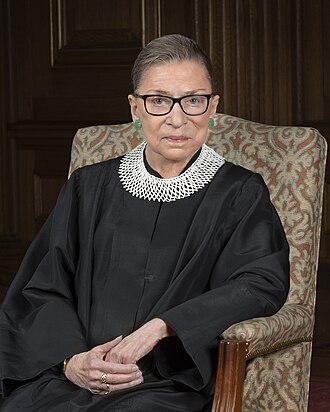 Ruth GinsburgWrote the majority opinion
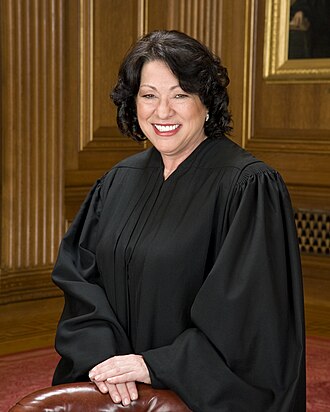 Sonia SotomayorJoined the majority
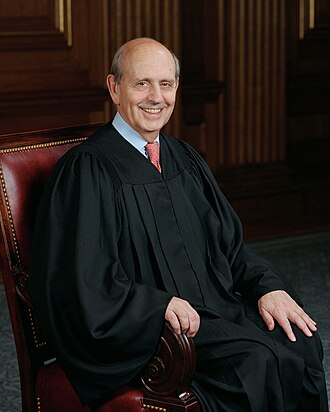 Stephen BreyerJoined the majority
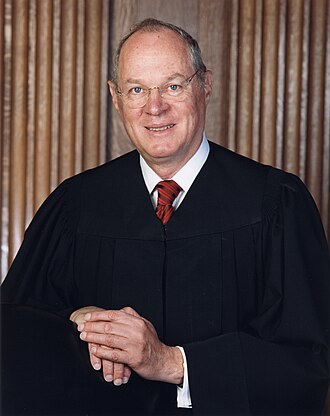 Anthony KennedyJoined the majority
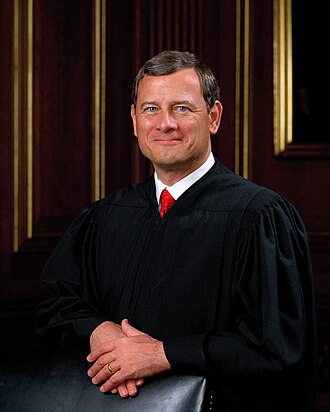 John RobertsJoined the majority
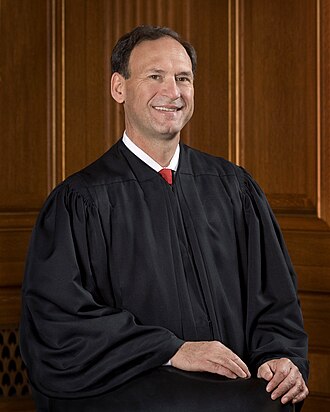 Samuel AlitoJoined the majority
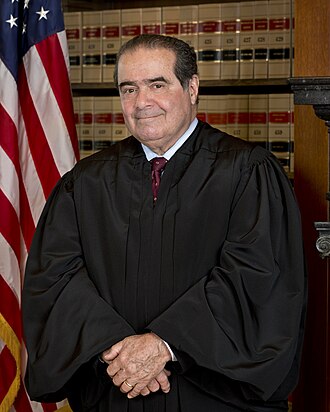 Antonin ScaliaJoined the majority
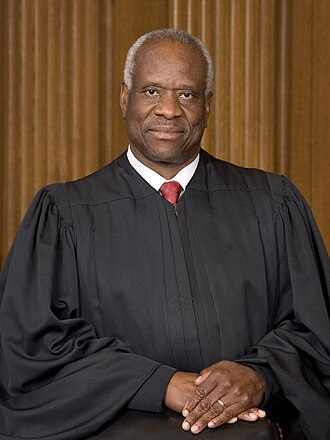 Clarence ThomasJoined the majority
Dissent(0)
- None.
Did not take part: Elena Kagan.
Data notes
Each justice’s vote and what they wrote are from the justice-centered file of the Supreme Court Database. “Wrote a concurrence” means the justice sided with the majority and wrote separately; a justice who dissented in part is counted on the side they took overall. A justice who wrote nothing is listed as joining their side.
Positions are each justice’s Martin–Quinn score for the case’s term, the same scores as the Ideology page: negative is more liberal, positive more conservative. A score sums up a justice’s votes across the whole term, so it says where they usually sit, not why they voted as they did here. The median line is the Court’s median justice that term.
The parties
Who brought the case to the Court, who answered it, and how it got there.
- Petitioner
- Kevin Abbott, PetitionerDefendant
- Respondent
- United StatesUnited States
- Reached the Court by
- Certiorari (the Court chose to hear it)
- Why it was taken
- Federal appeals courts had ruled differently on the question
Data notes
The names are the two sides of the case’s title. The description under each is the Supreme Court Database’s category for that party, in its own wording. The petitioner is the side that asked the Supreme Court to review the decision below. “Why it was taken” appears only when the majority opinion says lower courts disagreed or were unsure about the question; reasons that would fit any case (“to resolve the question presented”, “an important question”) are left out.
The law at issue
The law the Court was asked to apply, and the kind of power it used to decide.
- Provision
- Omnibus Crime Control and Safe Streets, National Firearms, Organized Crime Control, Comprehensive Crime Control, or Gun Control Acts
- Kind of law
- Federal Statute
- Decided by
- Statutory construction
Data notes
The Supreme Court Database codes the main constitutional provision, statute or court rule each case turned on, and the basis of the decision: judicial review of a federal or state law, interpreting a statute, supervising the lower courts, and so on. A case can rest on more than one. “Overruled” counts only where the majority opinion says so.
Timeline
What happened at the Court and how the case got there, newest first.
- Nov 15, 2010DecidedDecided · Decided 8–0: affirmed. Kevin Abbott, Petitioner lost.
- Oct 4, 2010ArguedArgued · Oral argument before the Court.
- Not datedTaken upTaken up · The Supreme Court agreed to hear the case (certiorari). Federal appeals courts had ruled differently on the question.
- Not datedCourt belowCourt below · Decided by the U.S. Court of Appeals, Third Circuit: affirmed.
- Not datedBeganBegan · The case began in the Pennsylvania Eastern U.S. District Court.
Data notes
From the Supreme Court Database: the court the case began in, the court whose decision the Supreme Court reviewed and what that court did, how the case came to the Court, and the dates of argument and decision. The database does not date the steps in the lower courts. Court names are the database’s.
Other decisions on the same issue
26 other argued cases since 1946 on statutory construction of criminal laws: narcotics includes regulation and prohibition of alcohol, newest first.
- Ruan v. United States142 S. Ct. 2370Jun 27, 2022 · 142 S. Ct. 2370Criminal procedure9–0Unanimous band
- Terry v. United States141 S. Ct. 1858Jun 14, 2021 · 141 S. Ct. 1858Criminal procedure9–0Unanimous band
- Taylor v. United States579 U.S. 301Jun 20, 2016 · 579 U.S. 301Criminal procedure7–18–1 band
- McFadden v. United States576 U.S. 186Jun 18, 2015 · 576 U.S. 186Criminal procedure9–0Unanimous band
- Rosemond v. United States572 U.S. 65Mar 5, 2014 · 572 U.S. 65Criminal procedure7–27–2 band
- Burrage v. United States571 U.S. 204Jan 27, 2014 · 571 U.S. 204Criminal procedure9–0Unanimous band
- Frantz Depierre, Petitioner v. United States564 U.S. 70Jun 9, 2011 · 564 U.S. 70Criminal procedure9–0Unanimous band
- Clifton Terelle McNeill, Petitioner v. United States563 U.S. 816Jun 6, 2011 · 563 U.S. 816Criminal procedure9–0Unanimous band
- Salman Khade Abuelhawa v. United States556 U.S. 816May 26, 2009 · 556 U.S. 816Criminal procedure9–0Unanimous band
- Keith Lavon Burgess v. United States553 U.S. 124Apr 16, 2008 · 553 U.S. 124Criminal procedure9–0Unanimous band
- Michael A. Watson v. United States552 U.S. 74Dec 10, 2007 · 552 U.S. 74Criminal procedure9–0Unanimous band
- United States v. Oakland Cannabis Buyers' Cooperative and Jeffrey Jones532 U.S. 483May 14, 2001 · 532 U.S. 483Criminal procedure8–0Unanimous band
- Eddie Richardson v. United States526 U.S. 813Jun 1, 1999 · 526 U.S. 813Criminal procedure6–36–3 band
- Edwards v. United States523 U.S. 511Apr 28, 1998 · 523 U.S. 511Criminal procedure9–0Unanimous band
- Meirl Gilbert Neal v. United States516 U.S. 284Jan 22, 1996 · 516 U.S. 284Criminal procedure9–0Unanimous band
- United States v. Juan Paul Robertson514 U.S. 669May 1, 1995 · 514 U.S. 669Criminal procedure9–0Unanimous band
- Posters 'N' Things, Ltd., et al. v. United States511 U.S. 513May 23, 1994 · 511 U.S. 513Criminal procedure9–0Unanimous band
- United States v. a Parcel of Land, Buildings, Appurtenances and Improvements, Known As 92 Buena Vista Avenue, Rumson, New Jersey, et al.507 U.S. 111Feb 24, 1993 · 507 U.S. 111Criminal procedure6–36–3 band
- Richard L. Chapman, John M. Schoenecker and Patrick Brumm v. United States500 U.S. 453May 30, 1991 · 500 U.S. 453Criminal procedure7–27–2 band
- Daniel Touby et ux. v. United States500 U.S. 160May 20, 1991 · 500 U.S. 160Criminal procedure9–0Unanimous band
- Moshe Gozlon-Peretz v. United States498 U.S. 395Feb 19, 1991 · 498 U.S. 395Criminal procedure9–0Unanimous band
- United States v. Turkette452 U.S. 576Jun 17, 1981 · 452 U.S. 576Criminal procedure8–18–1 band
- Bifulco v. United States447 U.S. 381Jun 16, 1980 · 447 U.S. 381Criminal procedure6–36–3 band
- United States v. Moore423 U.S. 122Dec 9, 1975 · 423 U.S. 122Criminal procedure8–0Unanimous band
- Warden, Lewisburg Penitentiary v. Marrero417 U.S. 653Jun 19, 1974 · 417 U.S. 653Criminal procedure6–36–3 band
- Bradley et al. v. United States410 U.S. 605Mar 5, 1973 · 410 U.S. 605Criminal procedure8–18–1 band
Data notes
Every other orally argued case with a clear vote, from the 1946 term on, that the Supreme Court Database files under the same issue as this one. The database gives each case one issue from a list of about 270 (abortion, search and seizure of vehicles, the death penalty, and so on), whatever law it turned on.
Official record
Read the full opinion on Justia, the argument audio on Oyez and Wikipedia. Case data from the Supreme Court Database, Version 2026 Release 01, through the 2025 term.