Lilly M. Ledbetter v. the Goodyear Tire & Rubber Company, Inc.
The Court held that in a Title VII pay discrimination suit, each paycheck was not a discrete discriminatory act, so claims based on pay decisions made more than 180 days before the charge were time-barred, and it rejected the paycheck accrual rule.· AI-written
550 U.S. 618 · No. 05-1074 · 2006 term · Roberts Court
Decided May 29, 2007 · argued Nov 27, 2006
Civil rights · Sex discrimination in employment
Majority opinion: Samuel Alito
The voteMajorityDissent
5–45 in the majority, 4 in dissent
4 dissents (5–4)
Affirmed. Lilly M. Ledbetter lost.
What this ruling means
Affirmed: the Supreme Court upheld the decision of the U.S. Court of Appeals, Eleventh Circuit, so it stands (sometimes with changes the Court made to it).
Lilly M. Ledbetter was the petitioner, the side that asked the Supreme Court to review the case. “Lost” means the Court did not give that side the result it asked for.
From the Supreme Court Database. A justice who agreed with the result but not the reasoning counts in the majority.
Summary
The opening of the case’s Wikipedia article: what the case was about and what the Court held.
Ledbetter v. Goodyear Tire & Rubber Co., 550 U.S. 618 (2007), is an employment discrimination decision of the Supreme Court of the United States. The result was that employers could not be sued under Title VII of the Civil Rights Act of 1964 over race or gender pay discrimination if the claims were based on decisions made by the employer 180 days or more before the claim. Justice Alito held for the five-justice majority that each paycheck received did not constitute a discrete discriminatory act, even if it was affected by a prior decision outside the time limit. Ledbetter's claim of the "paycheck accrual rule" was rejected. The decision did not prevent plaintiffs from suing under other laws, like the Equal Pay Act, which has a three-year deadline for most sex discrimination claims, or 42 U.S.C. 1981, which has a four-year deadline for suing over race discrimination.
This was a case of statutory rather than constitutional interpretation, explaining the meaning of a law, not deciding its constitutionality. The plaintiff in this case, Lilly Ledbetter, characterized her situation as one where "disparate pay is received during the statutory limitations period, but is the result of intentionally discriminatory pay decisions that occurred outside the limitations period." In rejecting Ledbetter's appeal, the Supreme Court said that "she could have, and should have, sued" when the pay decisions were made, instead of waiting beyond the 180-day statutory charging period. The Court did leave open the possibility that a plaintiff could sue beyond the 180-day period if she did not, and could not, have discovered the discrimination earlier. The effect of the Court's holding was reversed by the passage of the Lilly Ledbetter Fair Pay Act in 2009.
Data notes
The text is Wikipedia’s (CC BY-SA 4.0), matched to the case by its citation, docket number or name and year, and is not checked against the opinion. The site keeps the article’s opening section, ending on its last full sentence. The one-sentence summary under the title is the Decisions list’s: Wikipedia’s own ruling sentence, or, tagged “AI-written”, one Claude wrote from this opening.
How the justices voted
Each justice who took part, placed by their Martin–Quinn ideology score for the 2006 term. Filled: the 5 in the majority. Hollow: the 4 in dissent. Colour is the party of the president who appointed them.
Majority(5)
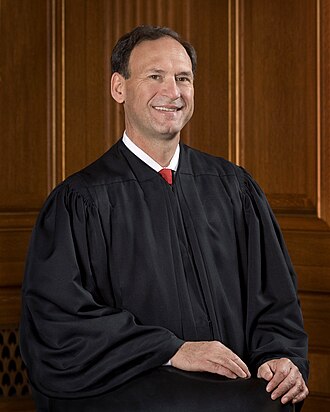 Samuel AlitoWrote the majority opinion
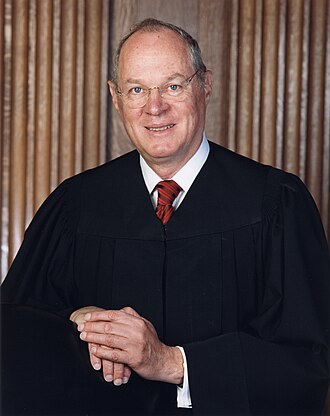 Anthony KennedyJoined the majority
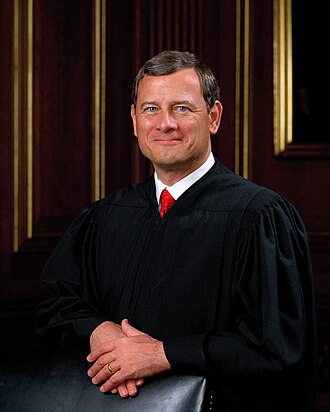 John RobertsJoined the majority
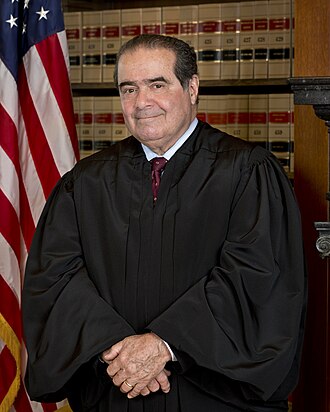 Antonin ScaliaJoined the majority
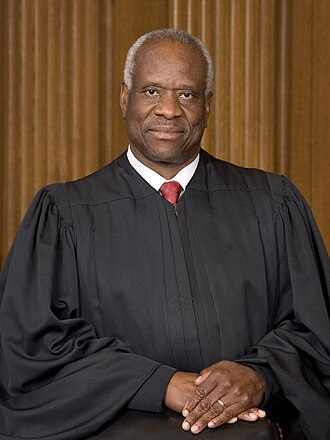 Clarence ThomasJoined the majority
Dissent(4)
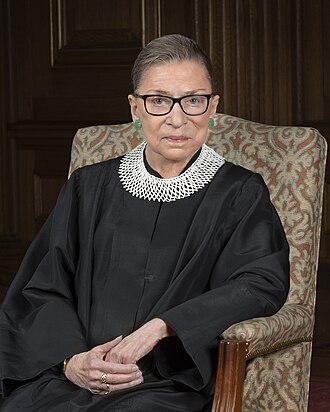 Ruth GinsburgWrote a dissent
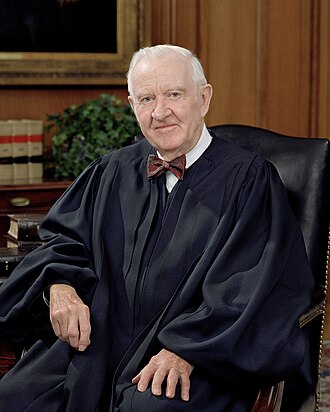 John StevensJoined a dissent
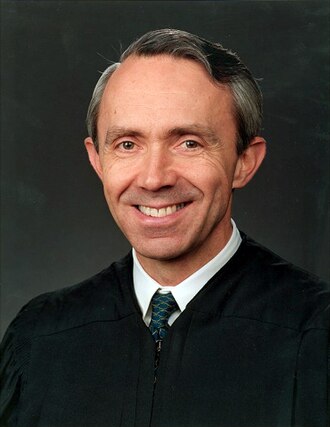 David SouterJoined a dissent
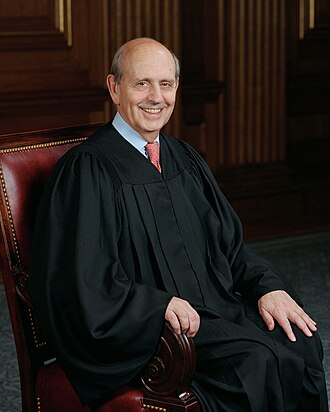 Stephen BreyerJoined a dissent
Data notes
Each justice’s vote and what they wrote are from the justice-centered file of the Supreme Court Database. “Wrote a concurrence” means the justice sided with the majority and wrote separately; a justice who dissented in part is counted on the side they took overall. A justice who wrote nothing is listed as joining their side.
Positions are each justice’s Martin–Quinn score for the case’s term, the same scores as the Ideology page: negative is more liberal, positive more conservative. A score sums up a justice’s votes across the whole term, so it says where they usually sit, not why they voted as they did here. The median line is the Court’s median justice that term.
The parties
Who brought the case to the Court, who answered it, and how it got there.
- Petitioner
- Lilly M. LedbetterRetired or former employee
- Respondent
- the Goodyear Tire & Rubber Company, Inc.Employer
- Reached the Court by
- Certiorari (the Court chose to hear it)
- Why it was taken
- Federal appeals courts had ruled differently on the question
Data notes
The names are the two sides of the case’s title. The description under each is the Supreme Court Database’s category for that party, in its own wording. The petitioner is the side that asked the Supreme Court to review the decision below. “Why it was taken” appears only when the majority opinion says lower courts disagreed or were unsure about the question; reasons that would fit any case (“to resolve the question presented”, “an important question”) are left out.
The law at issue
The law the Court was asked to apply, and the kind of power it used to decide.
- Provision
- Civil Rights Act of 1964 (Title VII)
- Kind of law
- Federal Statute
- Decided by
- Statutory construction; Federal common law
Data notes
The Supreme Court Database codes the main constitutional provision, statute or court rule each case turned on, and the basis of the decision: judicial review of a federal or state law, interpreting a statute, supervising the lower courts, and so on. A case can rest on more than one. “Overruled” counts only where the majority opinion says so.
Timeline
What happened at the Court and how the case got there, newest first.
- May 29, 2007DecidedDecided · Decided 5–4: affirmed. Lilly M. Ledbetter lost.
- Nov 27, 2006ArguedArgued · Oral argument before the Court.
- Not datedTaken upTaken up · The Supreme Court agreed to hear the case (certiorari). Federal appeals courts had ruled differently on the question.
- Not datedCourt belowCourt below · Decided by the U.S. Court of Appeals, Eleventh Circuit: reversed.
- Not datedBeganBegan · The case began in the Alabama Northern U.S. District Court.
Data notes
From the Supreme Court Database: the court the case began in, the court whose decision the Supreme Court reviewed and what that court did, how the case came to the Court, and the dates of argument and decision. The database does not date the steps in the lower courts. Court names are the database’s.
Other decisions on the same issue
41 other argued cases since 1946 on sex discrimination in employment, newest first.
- Muldrow v. City of St. Louis, Missouri144 S. Ct. 967Apr 17, 2024 · 144 S. Ct. 967Civil rights9–0Unanimous band
- Bostock v. Clayton County, GeorgiaLandmark · Discrimination based on sexual orientation or gender identity140 S. Ct. 1731Jun 15, 2020 · 140 S. Ct. 1731Civil rightsLandmark · Discrimination based on sexual orientation or gender identity6–36–3 band
- Young v. UPS575 U.S. 206Mar 25, 2015 · 575 U.S. 206Civil rights6–36–3 band
- AT&T Corporation v. Noreen Hulteen et al.556 U.S. 701May 18, 2009 · 556 U.S. 701Civil rights7–27–2 band
- Vicky S. Crawford v. Metropolitan Government of Nashville and Davidson County, Tennessee555 U.S. 271Jan 26, 2009 · 555 U.S. 271Civil rights9–0Unanimous band
- Burlington Northern & Santa Fe Railway Company v. Sheila WhiteLandmark · Discrimination based on sex548 U.S. 53Jun 22, 2006 · 548 U.S. 53Civil rightsLandmark · Discrimination based on sex9–0Unanimous band
- Jenifer Arbaugh v. Y & H Corporation, dba the Moonlight Cafe546 U.S. 500Feb 22, 2006 · 546 U.S. 500Civil rights8–0Unanimous band
- Pennsylvania State Police v. Nancy Drew Suders542 U.S. 129Jun 14, 2004 · 542 U.S. 129Civil rights8–18–1 band
- Desert Palace, Inc., dba Caesars Palace Hotel & Casino v. Catharina F. Costa539 U.S. 90Jun 9, 2003 · 539 U.S. 90Civil rights9–0Unanimous band
- Sharon B. Pollard v. E. I. Du Pont de Nemours & Company532 U.S. 843Jun 4, 2001 · 532 U.S. 843Civil rights8–0Unanimous band
- Beth Ann Faragher v. City of Boca Raton524 U.S. 775Jun 26, 1998 · 524 U.S. 775Civil rights7–27–2 band
- Burlington Industries, Inc. v. Kimberly B. EllerthLandmark524 U.S. 742Jun 26, 1998 · 524 U.S. 742Civil rightsLandmark7–27–2 band
- Joseph Oncale v. Sundowner Offshore Services, Incorporated, et al.Landmark · Discrimination based on sex523 U.S. 75Mar 4, 1998 · 523 U.S. 75Civil rightsLandmark · Discrimination based on sex9–0Unanimous band
- Christine McKennon v. Nashville Banner Publishing Company513 U.S. 352Jan 23, 1995 · 513 U.S. 352Civil rights9–0Unanimous band
- Teresa Harris v. Forklift Systems, Inc.510 U.S. 17Nov 9, 1993 · 510 U.S. 17Civil rights9–0Unanimous band
- International Union, United Automobile, Aerospace & Agricultural Implement Workers of America, UAW, et al. v. Johnson Controls, Inc.499 U.S. 187Mar 20, 1991 · 499 U.S. 187Civil rights9–0Unanimous band
- Price Waterhouse v. HopkinsLandmark · Discrimination based on sex490 U.S. 228May 1, 1989 · 490 U.S. 228Civil rightsLandmark · Discrimination based on sex6–36–3 band
- Florida et al. v. Long et al.487 U.S. 223Jun 22, 1988 · 487 U.S. 223Civil rights5–45–4 band
- Wimberly v. Labor and Industrial Relations Commission of Missouri479 U.S. 511Jan 21, 1987 · 479 U.S. 511Civil rights8–0Unanimous band
- California Federal Savings & Loan Assn. et al. v. Guerra, Director, Department of Fair Employment and Housing, et al.479 U.S. 272Jan 13, 1987 · 479 U.S. 272Civil rights6–36–3 band
- Meritor Savings Bank, FSB v. Vinson et al.477 U.S. 57Jun 19, 1986 · 477 U.S. 57Civil rights9–0Unanimous band
- Anderson v. City of Bessemer City, North Carolina470 U.S. 564Mar 19, 1985 · 470 U.S. 564Civil rights9–0Unanimous band
- Hishon v. King & Spalding467 U.S. 69May 22, 1984 · 467 U.S. 69Civil rights9–0Unanimous band
- Arizona Governing Committee for Tax Deferred Annuity and Deferred Compensation Plans et al. v. Norris463 U.S. 1073Jul 6, 1983 · 463 U.S. 1073Civil rights5–45–4 band
- Newport News Shipbuilding & Dry Dock Co. v. Equal Employment Opportunity Commission462 U.S. 669Jun 20, 1983 · 462 U.S. 669Civil rights7–27–2 band
- Ford Motor Co. v. Equal Employment Opportunity Commission458 U.S. 219Jun 28, 1982 · 458 U.S. 219Civil rights6–36–3 band
- North Haven Board of Education et al. v. Bell, Secretary of Education, et al.456 U.S. 512May 17, 1982 · 456 U.S. 512Civil rights6–36–3 band
- Zipes et al. v. Trans World Airlines, Inc.455 U.S. 385Feb 24, 1982 · 455 U.S. 385Civil rights8–0Unanimous band
- County of Washington, Oregon, et al. v. Gunther et al.452 U.S. 161Jun 8, 1981 · 452 U.S. 161Civil rights5–45–4 band
- Great American Federal Savings & Loan Association et al. v. Novotny442 U.S. 366Jun 11, 1979 · 442 U.S. 366Civil rights6–36–3 band
- Davis v. Passman442 U.S. 228Jun 5, 1979 · 442 U.S. 228Civil rights5–45–4 band
- City of Los Angeles Department of Water and Power et al. v. Manhart et al.435 U.S. 702Apr 25, 1978 · 435 U.S. 702Civil rights6–27–2 band
- Richmond Unified School District v. Berg434 U.S. 158Dec 6, 1977 · 434 U.S. 158Civil rights9–0Unanimous band
- Nashville Gas Co. v. Satty434 U.S. 136Dec 6, 1977 · 434 U.S. 136Civil rights9–0Unanimous band
- Dothard, Director, Department of Public Safety of Alabama, et al. v. Rawlinson et al.433 U.S. 321Jun 27, 1977 · 433 U.S. 321Civil rights7–27–2 band
- General Electric Co. v. Gilbert et al.429 U.S. 125Dec 7, 1976 · 429 U.S. 125Civil rights6–36–3 band
- Geduldig, Director, Department of Human Resources Development v. Aiello et al.417 U.S. 484Jun 17, 1974 · 417 U.S. 484Civil rights6–36–3 band
- Corning Glass Works v. Brennan, Secretary of Labor417 U.S. 188Jun 3, 1974 · 417 U.S. 188Civil rights5–36–3 band
- Cleveland Board of Education et al. v. Lafleur et al.414 U.S. 632Jan 21, 1974 · 414 U.S. 632Civil rights7–27–2 band
- Phillips v. Martin Marietta Corp.Landmark · Discrimination based on sex400 U.S. 542Jan 25, 1971 · 400 U.S. 542Civil rightsLandmark · Discrimination based on sex9–0Unanimous band
- Goesaert et al. v. Cleary et al., Members of the Liquor Control Commission of Michigan335 U.S. 464Dec 20, 1948 · 335 U.S. 464Civil rights6–36–3 band
Data notes
Every other orally argued case with a clear vote, from the 1946 term on, that the Supreme Court Database files under the same issue as this one. The database gives each case one issue from a list of about 270 (abortion, search and seizure of vehicles, the death penalty, and so on), whatever law it turned on.
Official record
Read the full opinion on Justia, the argument audio on Oyez and Wikipedia. Case data from the Supreme Court Database, Version 2026 Release 01, through the 2025 term.