Thaddeus Donald Edmonson v. Leesville Concrete Co., Inc.
The Court held that peremptory challenges may not be used to exclude jurors on the basis of race in civil trials.
500 U.S. 614 · No. 89-7743 · 1990 term · Rehnquist Court
Decided Jun 3, 1991 · argued Jan 15, 1991
Civil rights · Desegregation
Majority opinion: Anthony Kennedy
The voteMajorityDissent
6–36 in the majority, 3 in dissent
3 dissents (6–3)
Reversed and remanded. Thaddeus Donald Edmonson won.
What this ruling means
Reversed and remanded: the Supreme Court overturned the decision of the U.S. Court of Appeals, Fifth Circuit and sent the case back to that court for further proceedings that follow the Supreme Court’s ruling.
Thaddeus Donald Edmonson was the petitioner, the side that asked the Supreme Court to review the case. “Won” means the Court gave that side the result it asked for.
From the Supreme Court Database. A justice who agreed with the result but not the reasoning counts in the majority.
Summary
The opening of the case’s Wikipedia article: what the case was about and what the Court held.
Edmonson v. Leesville Concrete Company, 500 U.S. 614 (1991), was a United States Supreme Court case which held that peremptory challenges may not be used to exclude jurors on the basis of race in civil trials. Edmonson extended the court's similar decision in Batson v. Kentucky (1986), a criminal case. The Court applied the equal protection component of the Due Process Clause of the Fifth Amendment, as determined in Bolling v. Sharpe (1954), in finding that such race-based challenges violated the Constitution.
Data notes
The text is Wikipedia’s (CC BY-SA 4.0), matched to the case by its citation, docket number or name and year, and is not checked against the opinion. The site keeps the article’s opening section, ending on its last full sentence. The one-sentence summary under the title is the Decisions list’s: Wikipedia’s own ruling sentence, or, tagged “AI-written”, one Claude wrote from this opening.
How the justices voted
Each justice who took part, placed by their Martin–Quinn ideology score for the 1990 term. Filled: the 6 in the majority. Hollow: the 3 in dissent. Colour is the party of the president who appointed them.
Majority(6)
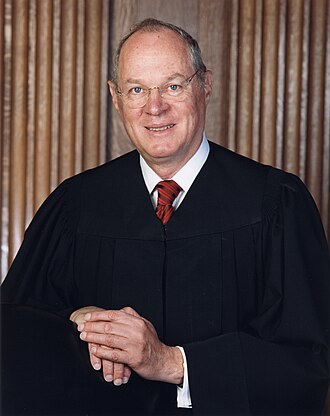 Anthony KennedyWrote the majority opinion
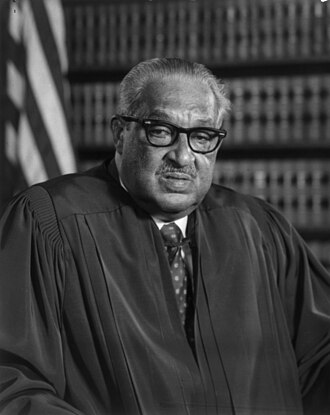 Thurgood MarshallJoined the majority
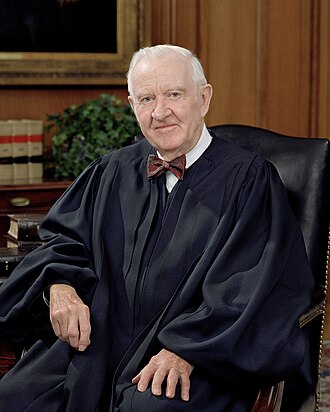 John StevensJoined the majority
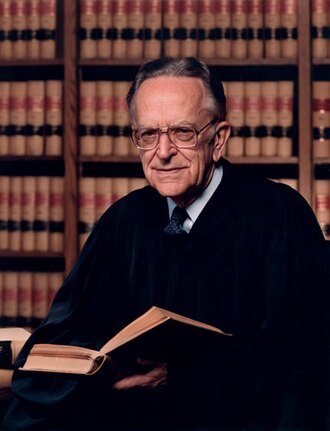 Harry BlackmunJoined the majority
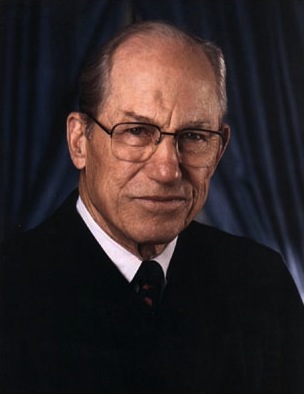 Byron WhiteJoined the majority
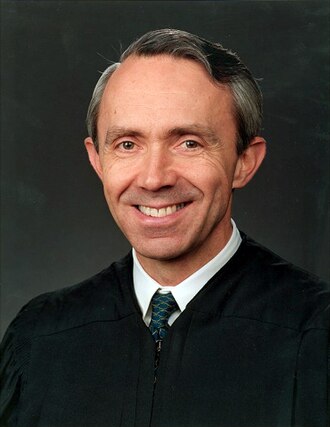 David SouterJoined the majority
Dissent(3)
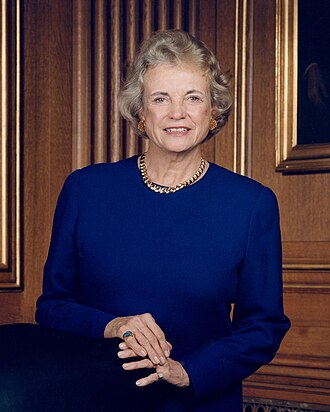 Sandra O'ConnorWrote a dissent
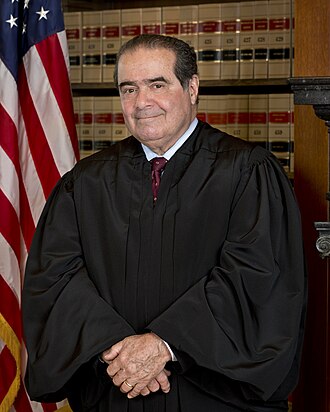 Antonin ScaliaWrote a dissent
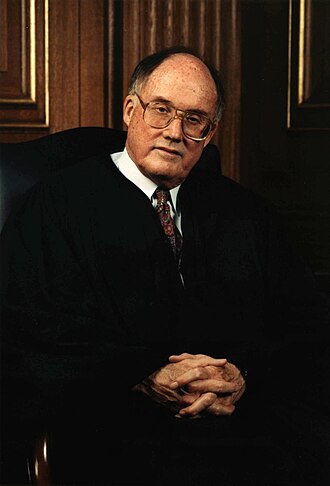 William RehnquistJoined a dissent
Data notes
Each justice’s vote and what they wrote are from the justice-centered file of the Supreme Court Database. “Wrote a concurrence” means the justice sided with the majority and wrote separately; a justice who dissented in part is counted on the side they took overall. A justice who wrote nothing is listed as joining their side.
Positions are each justice’s Martin–Quinn score for the case’s term, the same scores as the Ideology page: negative is more liberal, positive more conservative. A score sums up a justice’s votes across the whole term, so it says where they usually sit, not why they voted as they did here. The median line is the Court’s median justice that term.
The parties
Who brought the case to the Court, who answered it, and how it got there.
- Petitioner
- Thaddeus Donald EdmonsonRacial or ethnic minority employee or job applicant
- Respondent
- Leesville Concrete Co., Inc.Construction industry
- Reached the Court by
- Certiorari (the Court chose to hear it)
- Why it was taken
- Federal appeals courts had ruled differently on the question
Data notes
The names are the two sides of the case’s title. The description under each is the Supreme Court Database’s category for that party, in its own wording. The petitioner is the side that asked the Supreme Court to review the decision below. “Why it was taken” appears only when the majority opinion says lower courts disagreed or were unsure about the question; reasons that would fit any case (“to resolve the question presented”, “an important question”) are left out.
The law at issue
The law the Court was asked to apply, and the kind of power it used to decide.
- Provision
- Fifth Amendment (equal protection)
- Kind of law
- Constitutional Amendment
- Decided by
- Judicial review (national level)
Data notes
The Supreme Court Database codes the main constitutional provision, statute or court rule each case turned on, and the basis of the decision: judicial review of a federal or state law, interpreting a statute, supervising the lower courts, and so on. A case can rest on more than one. “Overruled” counts only where the majority opinion says so.
Timeline
What happened at the Court and how the case got there, newest first.
- Jun 3, 1991DecidedDecided · Decided 6–3: reversed and remanded. Thaddeus Donald Edmonson won.
- Jan 15, 1991ArguedArgued · Oral argument before the Court.
- Not datedTaken upTaken up · The Supreme Court agreed to hear the case (certiorari). Federal appeals courts had ruled differently on the question.
- Not datedCourt belowCourt below · Decided by the U.S. Court of Appeals, Fifth Circuit: affirmed, with a dissent.
- Not datedBeganBegan · The case began in the Louisiana Western U.S. District Court.
Data notes
From the Supreme Court Database: the court the case began in, the court whose decision the Supreme Court reviewed and what that court did, how the case came to the Court, and the dates of argument and decision. The database does not date the steps in the lower courts. Court names are the database’s.
Other decisions on the same issue
71 other argued cases since 1946 on desegregation, newest first.
- Comcast Corp. v. National Association of African American-Owned Media140 S. Ct. 1009Mar 23, 2020 · 140 S. Ct. 1009Civil rights9–0Unanimous band
- Texas Department of Housing and Community Affairs v. Inclusive Communities Project, Inc.576 U.S. 519Jun 25, 2015 · 576 U.S. 519Civil rights5–45–4 band
- Allen Snyder v. Louisiana552 U.S. 472Mar 19, 2008 · 552 U.S. 472Civil rights7–27–2 band
- Jay Shawn Johnson v. California545 U.S. 162Jun 13, 2005 · 545 U.S. 162Civil rights8–18–1 band
- Garrison S. Johnson v. California et al.543 U.S. 499Feb 23, 2005 · 543 U.S. 499Civil rights6–27–2 band
- City of Cuyahoga Falls, Ohio, et al. v. Buckeye Community Hope Foundation et al.538 U.S. 188Mar 25, 2003 · 538 U.S. 188Civil rights9–0Unanimous band
- David Meyer, Individually and in His Capacity As President and Designated Officer/Broker of Triad, Inc., etc. v. Emma Mary Ellen Holley, et vir, et al.537 U.S. 280Jan 22, 2003 · 537 U.S. 280Civil rights9–0Unanimous band
- Terry Campbell v. Louisiana523 U.S. 392Apr 21, 1998 · 523 U.S. 392Civil rights7–27–2 band
- Georgia v. Thomas McCollum, William Joseph McCollum and Ella Hampton McCollum505 U.S. 42Jun 18, 1992 · 505 U.S. 42Civil rights7–27–2 band
- Dionisio Hernandez v. New York500 U.S. 352May 28, 1991 · 500 U.S. 352Civil rights6–36–3 band
- Powers v. Ohio499 U.S. 400Apr 1, 1991 · 499 U.S. 400Civil rights7–27–2 band
- Batson v. KentuckyLandmark · Discrimination based on race and ethnicity476 U.S. 79Apr 30, 1986 · 476 U.S. 79Civil rightsLandmark · Discrimination based on race and ethnicity7–27–2 band
- Vasquez, Warden v. Hillery474 U.S. 254Jan 14, 1986 · 474 U.S. 254Civil rights6–36–3 band
- Hobby v. United States468 U.S. 339Jul 2, 1984 · 468 U.S. 339Civil rights6–36–3 band
- Palmore v. Sidoti466 U.S. 429Apr 24, 1984 · 466 U.S. 429Civil rights9–0Unanimous band
- City of Memphis et al. v. Greene et al.451 U.S. 100Apr 20, 1981 · 451 U.S. 100Civil rights6–36–3 band
- Castaneda, Sheriff v. Partida430 U.S. 482Mar 23, 1977 · 430 U.S. 482Civil rights5–45–4 band
- Village of Arlington Heights et al. v. Metropolitan Housing Development Corp. et al.429 U.S. 252Jan 11, 1977 · 429 U.S. 252Civil rights5–36–3 band
- Hills, Secretary of Housing and Urban Development v. Gautreaux et al.425 U.S. 284Apr 20, 1976 · 425 U.S. 284Civil rights8–0Unanimous band
- Mayor of Philadelphia v. Educational Equality League et al.415 U.S. 605Mar 25, 1974 · 415 U.S. 605Civil rights5–45–4 band
- Tillman et al. v. Wheaton-Haven Recreation Assn., Inc., et al.410 U.S. 431Feb 27, 1973 · 410 U.S. 431Civil rights9–0Unanimous band
- Peters v. Kiff, Warden407 U.S. 493Jun 22, 1972 · 407 U.S. 493Civil rights6–36–3 band
- Moose Lodge No. 107 v. Irvis et al.407 U.S. 163Jun 12, 1972 · 407 U.S. 163Civil rights6–36–3 band
- Alexander v. Louisiana405 U.S. 625Apr 3, 1972 · 405 U.S. 625Civil rights7–0Unanimous band
- Palmer et al. v. Thompson, Mayor of the City of Jackson, et al.403 U.S. 217Jun 14, 1971 · 403 U.S. 217Civil rights5–45–4 band
- Adickes v. S. H. Kress & Co.398 U.S. 144Jun 1, 1970 · 398 U.S. 144Civil rights5–27–2 band
- Evans et al. v. Abney et al.396 U.S. 435Jan 26, 1970 · 396 U.S. 435Civil rights5–27–2 band
- Turner et al. v. Fouche et al.396 U.S. 346Jan 19, 1970 · 396 U.S. 346Civil rights8–0Unanimous band
- Carter et al. v. Jury Commission of Greene County et al.396 U.S. 320Jan 19, 1970 · 396 U.S. 320Civil rights7–18–1 band
- Sullivan et al. v. Little Hunting Park, Inc., et al.396 U.S. 229Dec 15, 1969 · 396 U.S. 229Civil rights5–36–3 band
- Daniel et al. v. Paul395 U.S. 298Jun 2, 1969 · 395 U.S. 298Civil rights7–18–1 band
- Hunter v. Erickson, Mayor of Akron, et al.393 U.S. 385Jan 20, 1969 · 393 U.S. 385Civil rights8–18–1 band
- Jones et ux. v. Alfred H. Mayer Co. et al.Landmark · Power of Congress to enforce civil rights392 U.S. 409Jun 17, 1968 · 392 U.S. 409Civil rightsLandmark · Power of Congress to enforce civil rights7–27–2 band
- United States v. Johnson et al.390 U.S. 563Apr 8, 1968 · 390 U.S. 563Civil rights5–36–3 band
- Anderson v. Johnson, Warden390 U.S. 456Mar 25, 1968 · 390 U.S. 456Civil rights4–45–4 band
- Lee, Commissioner of Corrections of Alabama, et al. v. Washington et al.390 U.S. 333Mar 11, 1968 · 390 U.S. 333Civil rights9–0Unanimous band
- Loving et ux. v. VirginiaLandmark · Discrimination based on race and ethnicity388 U.S. 1Jun 12, 1967 · 388 U.S. 1Civil rightsLandmark · Discrimination based on race and ethnicity9–0Unanimous band
- Reitman et al. v. Mulkey et al.387 U.S. 369May 29, 1967 · 387 U.S. 369Civil rights5–45–4 band
- Bostick v. South Carolina et al.386 U.S. 479Mar 27, 1967 · 386 U.S. 479Civil rights9–0Unanimous band
- Whitus et al. v. Georgia385 U.S. 545Jan 23, 1967 · 385 U.S. 545Civil rights9–0Unanimous band
- Evans et al. v. Newton et al.382 U.S. 296Jan 17, 1966 · 382 U.S. 296Civil rights6–36–3 band
- Swain v. Alabama380 U.S. 202Mar 8, 1965 · 380 U.S. 202Civil rights6–36–3 band
- Katzenbach, Acting Attorney General, et al. v. McClung et al.Landmark · Power of Congress to enforce civil rights379 U.S. 294Dec 14, 1964 · 379 U.S. 294Civil rightsLandmark · Power of Congress to enforce civil rights9–0Unanimous band
- Heart of Atlanta Motel, Inc. v. United States et al.Landmark · Discrimination based on race and ethnicity · Power of Congress to enforce civil rights379 U.S. 241Dec 14, 1964 · 379 U.S. 241Civil rightsLandmark · Discrimination based on race and ethnicity · Power of Congress to enforce civil rights9–0Unanimous band
- McLaughlin et al. v. Florida379 U.S. 184Dec 7, 1964 · 379 U.S. 184Civil rights9–0Unanimous band
- Coleman v. Alabama377 U.S. 129May 4, 1964 · 377 U.S. 129Civil rights9–0Unanimous band
- Arnold et al. v. North Carolina376 U.S. 773Apr 6, 1964 · 376 U.S. 773Civil rights9–0Unanimous band
- Shuttlesworth v. City of Birmingham.376 U.S. 339Mar 9, 1964 · 376 U.S. 339Civil rights8–0Unanimous band
- Watson et al. v. City of Memphis et al.373 U.S. 526May 27, 1963 · 373 U.S. 526Civil rights9–0Unanimous band
- Turner v. City of Memphis et al.369 U.S. 350Mar 16, 1962 · 369 U.S. 350Civil rights8–0Unanimous band
- Anderson v. Alabama.366 U.S. 208May 1, 1961 · 366 U.S. 208Civil rights9–0Unanimous band
- Burton v. Wilmington Parking Authority et al.365 U.S. 715Apr 17, 1961 · 365 U.S. 715Civil rights6–36–3 band
- Wolfe et al. v. North Carolina364 U.S. 177Jun 27, 1960 · 364 U.S. 177Civil rights5–45–4 band
- Eubanks v. Louisiana356 U.S. 584May 26, 1958 · 356 U.S. 584Civil rights9–0Unanimous band
- Michel v. Louisiana350 U.S. 91Dec 5, 1955 · 350 U.S. 91Civil rights6–36–3 band
- Reece v. Georgia350 U.S. 85Dec 5, 1955 · 350 U.S. 85Civil rights9–0Unanimous band
- Williams v. Georgia349 U.S. 375Jun 6, 1955 · 349 U.S. 375Civil rights6–36–3 band
- Rice v. Sioux City Memorial Park Cemetery, Inc. et al.348 U.S. 880Nov 15, 1954 · 348 U.S. 880Civil rights4–45–4 band
- Hernandez v. TexasLandmark · Discrimination based on race and ethnicity347 U.S. 475May 3, 1954 · 347 U.S. 475Civil rightsLandmark · Discrimination based on race and ethnicity9–0Unanimous band
- Barrows et al. v. Jackson346 U.S. 249Jun 15, 1953 · 346 U.S. 249Civil rights6–18–1 band
- District of Columbia v. John R. Thompson Co., Inc.346 U.S. 100Jun 8, 1953 · 346 U.S. 100Civil rights8–0Unanimous band
- Avery v. Georgia345 U.S. 559May 25, 1953 · 345 U.S. 559Civil rights8–0Unanimous band
- Shepherd et al. v. Florida341 U.S. 50Apr 9, 1951 · 341 U.S. 50Civil rights9–0Unanimous band
- Henderson v. United States et al.Landmark · Discrimination based on race and ethnicity339 U.S. 816Jun 5, 1950 · 339 U.S. 816Civil rightsLandmark · Discrimination based on race and ethnicity8–0Unanimous band
- Cassell v. Texas339 U.S. 282Apr 24, 1950 · 339 U.S. 282Civil rights7–18–1 band
- Hurd et ux. v. Hodge et al.334 U.S. 24May 3, 1948 · 334 U.S. 24Civil rights6–0Unanimous band
- Shelley et ux. v. Kraemer et ux.Landmark · Discrimination based on race and ethnicity334 U.S. 1May 3, 1948 · 334 U.S. 1Civil rightsLandmark · Discrimination based on race and ethnicity6–0Unanimous band
- Moore et al. v. New York333 U.S. 565Mar 29, 1948 · 333 U.S. 565Civil rights5–45–4 band
- Bob-Lo Excursion Co. v. Michigan333 U.S. 28Feb 2, 1948 · 333 U.S. 28Civil rights7–27–2 band
- Oyama et al. v. California332 U.S. 633Jan 19, 1948 · 332 U.S. 633Civil rights6–36–3 band
- Patton v. Mississippi332 U.S. 463Dec 8, 1947 · 332 U.S. 463Civil rights9–0Unanimous band
Data notes
Every other orally argued case with a clear vote, from the 1946 term on, that the Supreme Court Database files under the same issue as this one. The database gives each case one issue from a list of about 270 (abortion, search and seizure of vehicles, the death penalty, and so on), whatever law it turned on.
Official record
Read the full opinion on Justia, the argument audio on Oyez and Wikipedia. Case data from the Supreme Court Database, Version 2026 Release 01, through the 2025 term.